Wu Wei Explained: Laozi's Antidote to Modern Burnout
Wu Wei Explained: Laozi's Antidote to Modern Burnout
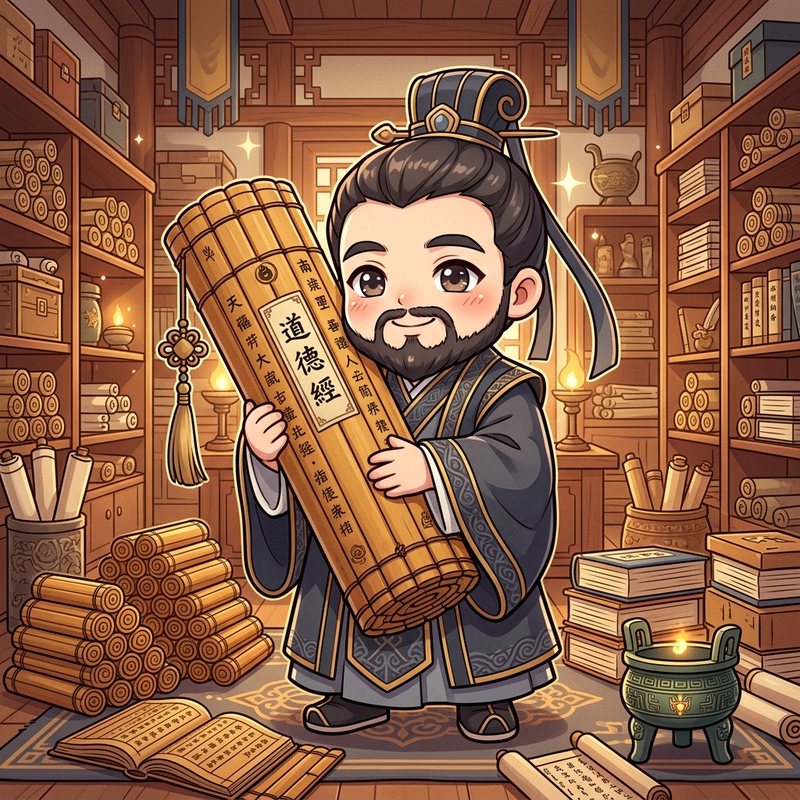
Laozi (Lao Tzu) (老子 (李耳) · Lǎo Zǐ)
字聃 · 太上老君 · 道德天尊
Father of Daoism & Author of the Five Thousand Words of the Dao De Jing
万经之祖 · 著道德经五千言开创道家清静玄理的宇宙宗师
- Wu wei is not laziness—it is action that stops forcing against the grain.
- Laozi frames it as governance and self-cultivation; modern readers use it against burnout.
- Su Shi's Huangzhou years show the same move: stop forcing a dead court career, farm, cook, write.
- Pair with Zhuangzi for psychological freedom and Stoicism for daily cognitive drills.
The Great Myth: Wu Wei Is NOT Laziness or Passivity
A widespread misconception in the West equates Wu Wei with passivity, nihilism, or lying on the sofa. But Laozi explicitly wrote: 'The Dao does nothing, yet leaves nothing undone (道常无为而无不为).' When an archer releases an arrow with quiet mastery, or when an apple tree produces fruit in autumn, no artificial straining occurs — yet the result is flawless. Wu Wei is action without friction.
西方对‘无为’最大的误解是将其等同于被动与虚无。然而老子强调:‘道常无为而无不为。’神射手引弦而发、秋日树木自成果实,皆无刻意做作,却成就斐然。无为是没有内耗的极致专注与自然发挥。
The Water Principle: Softness Overcomes Rigidity
To explain Wu Wei, Laozi consistently points to water as the supreme teacher. Water never fights an obstacle head-on; it yields to the rock, encircles it, and over time erodes the hardest granite mountains.
老子最推崇的水之美德,正是无为的最佳具象:天下莫柔弱于水,而攻坚强者莫之能胜。
上善若水。水善利万物而不争,处众人之所恶,故几于道。
Shàng shàn ruò shuǐ. Shuǐ shàn lì wàn wù ér bù zhēng, chù zhòng rén zhī suǒ wù, gù jī yú dào.
The highest goodness is like water. Water easily benefits all things without contending with them; it dwells in the lowly places that all disdain, and so is close to the Dao.
Context · From Chapter 8 of the Dao De Jing — the foundational metaphor for living without friction.
Wu Wei Is Not Laziness — and Not a Burnout Slogan
On Reddit's r/taoism the recurring question is blunt: is this just rationalized laziness? The classical answer is no. Wu wei is Cook Ding's knife finding the gap, not the unused tool in a drawer. Procrastination still clings to the undone task; wu wei drops the false task. Edward Slingerland's *Trying Not to Try* is the best modern English book on this: spontaneity after skill, not quitting before skill. If you are exhausted, rest is medicine. Calling that rest 'wu wei' without changing how you force the remaining work is just branding.
r/taoism 上反复出现的问题很直白:这不就是给懒找哲学借口吗?原典的答案是否定的。无为是庖丁的刀走进空隙,不是抽屉里那把从未动过的刀。拖延仍黏着未做之事;无为放下的是假任务。Edward Slingerland 的 *Trying Not to Try* 是英语里讲得最清楚的当代书:熟练之后的自发,不是熟练之前的放弃。若你已经耗尽,休息是药。把休息贴上「无为」而不改硬碰硬的方式,只是贴牌。
A Case from Exile: Su Shi After Demotion
Wu wei is easier to see in a life than in a slogan. After the Crow Terrace Poetry Case, Su Shi could not force his way back to court. In Huangzhou he farmed a thorn slope, cooked cheap pork, and wrote the Red Cliff odes — action that fit the grain of a ruined career instead of ramming the old door. That is effortless action under constraint, not passivity. The map of those years lives on his figure page; the demotion lesson is a separate essay.
无为写在生活里比写在口号里清楚。乌台诗案之后,苏轼无法硬闯回朝廷。黄州的荆棘坡、便宜猪肉、赤壁赋——是顺着被毁的仕途纹理做事,不是去撞那扇旧门。这是约束下的无为,不是躺平。路线在人物地图页,贬谪课在另一篇专栏。
3 Practical Ways to Practice Wu Wei in Daily Life
How to translate ancient Daoist wisdom into your workday:
- Stop Forcing Dead-End Negotiations: When friction becomes unbearable, step back. Forcing a situation with aggressive ego usually triggers counter-resistance.停止硬碰硬的强求:当遭遇无法逾越的阻力时,学会退一步。以刚硬去撞击刚硬,只会加剧对立与消耗。
- Enter the Flow State: Mihaly Csikszentmihalyi's psychological concept of 'Flow' is the modern scientific description of Wu Wei: when self-conscious anxiety disappears and skill matches challenge seamlessly.融入心理学‘心流’:忘掉自我内省的过度怀疑,让技能与直觉在专注当下中自由释放。
- Embrace Empty Space: Laozi observed that a clay bowl is only useful because of its empty hollow. Do not fill every minute of your calendar with tasks; leave white space for intuition and rest.保留生命的空白:老子云‘埏埴以为器,当其无,有器之用’。不要把日程表塞满,留白方能激发真正的灵感与生机。
Frequently Asked Questions About Wu Wei
Can an ambitious entrepreneur or athlete practice Wu Wei?
Absolutely. The greatest athletes and leaders operate in Wu Wei. When Michael Jordan or Roger Federer played at their peak, they did not look panicked or frantic; they seemed to have all the time in the world because they were reacting intuitively rather than overthinking.
How does Wu Wei differ from Stoicism?
Stoicism emphasizes rational cognitive control to endure fate with dignity. Wu Wei goes one step further: instead of grimly enduring hardship, it teaches you to fluidly dance with change and find joy in letting go of the illusion of control.
Is wu wei just being lazy?
No. Laziness avoids necessary action. Wu wei is skilled action that stops fighting the grain — Cook Ding cutting at the joint, not leaving the ox unbutchered. If you feel guilt while doing nothing, you are probably procrastinating, not practicing wu wei.
Does wu wei help with burnout?
It helps when burnout comes from forcing outcomes you cannot control. Drop the false grind, keep the work that still fits your skill and the situation. It is not a license to abandon duties; Su Shi in Huangzhou still farmed, wrote, and fed a household.
What are everyday examples of wu wei?
A conversation you stop pushing once the other person has closed. A draft you leave overnight instead of hammering. Water going around a rock. A cook who has cut the same joint a thousand times. Not: ignoring email for a week and calling it Daoism.
Walk the Quiet Archive Where Wu Wei Was Written
Open Laozi's map at the Zhou royal archives — the workplace of a librarian who taught rulers not to force, then left through Hangu Pass.
Open Laozi's Archive StationWalk with Laozi (Lao Tzu) Across China
随老子 (李耳)漫步华夏河山 · 亲历命运逆境与精神涅槃