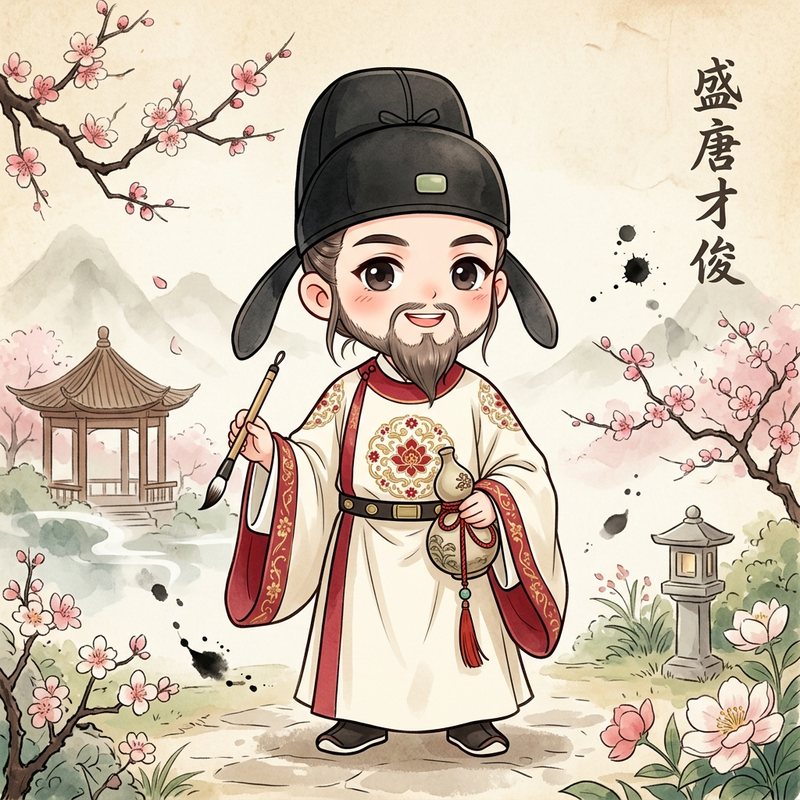
Who Was Bai Juyi? The People's Poet of the Tang Dynasty
What happens when a fiery political idealist is cast out of the imperial court into the wilds of exile? In the case of Bai Juyi (772–846), he transformed person...
13 min read
Read Essay85 rigorous explorations into China's greatest thinkers. From Sun Tzu's strategic doctrine to Zhuangzi's timeless mental freedom and Su Shi's resilience through exile.
What happens when a fiery political idealist is cast out of the imperial court into the wilds of exile? In the case of Bai Juyi (772–846), he transformed person...
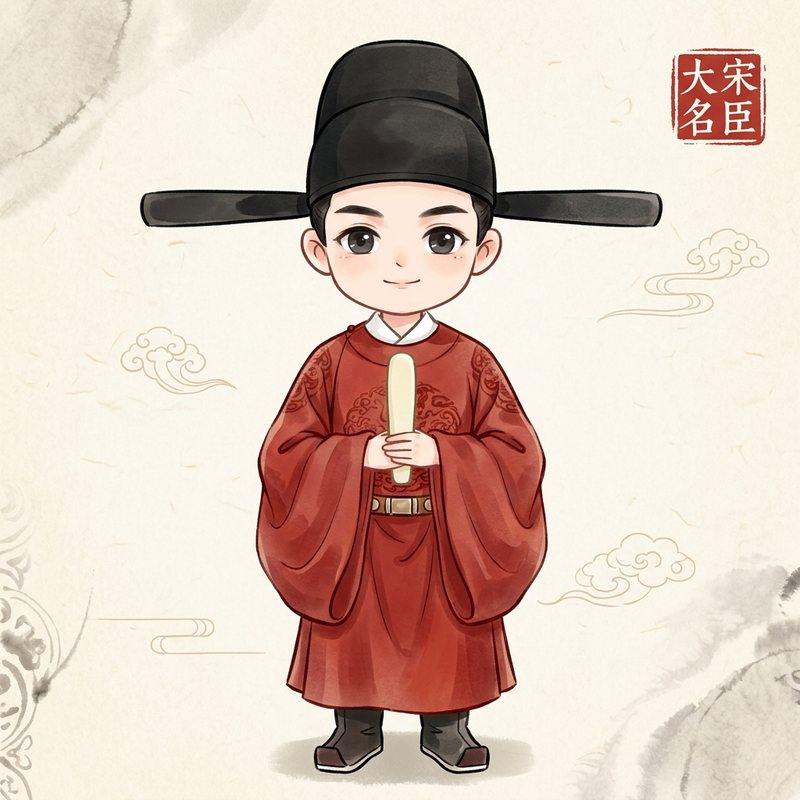
In the collective imagination of East Asia, no historical figure embodies the ideal of incorruptible justice more profoundly than Bao Zheng (999–1062). Universa...
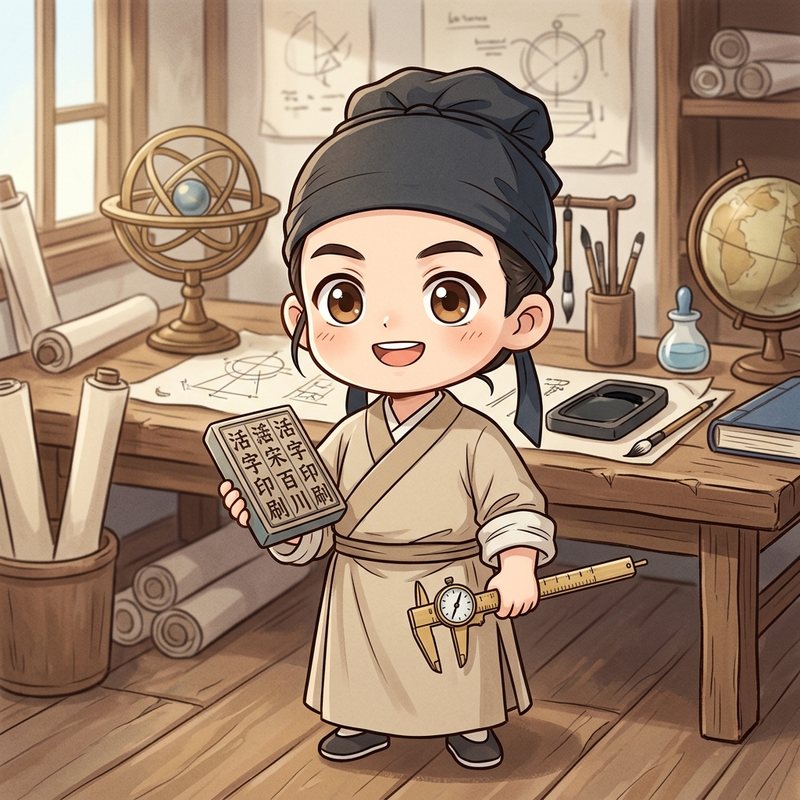
No—and no serious historian claims he did, at least not with proof. Movable type was invented in China around 1041–1048 CE by Bi Sheng, a commoner artisan of th...
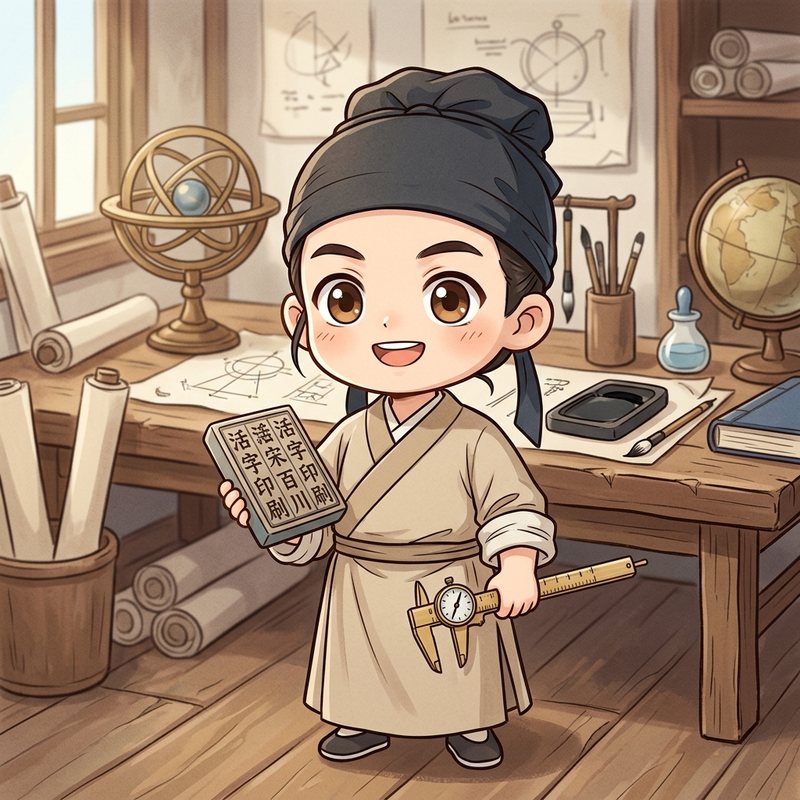
Centuries before the European Renaissance, long before Johannes Gutenberg cast his metal alloys in Mainz, a modest Chinese craftsman named Bi Sheng (990–1051 CE...
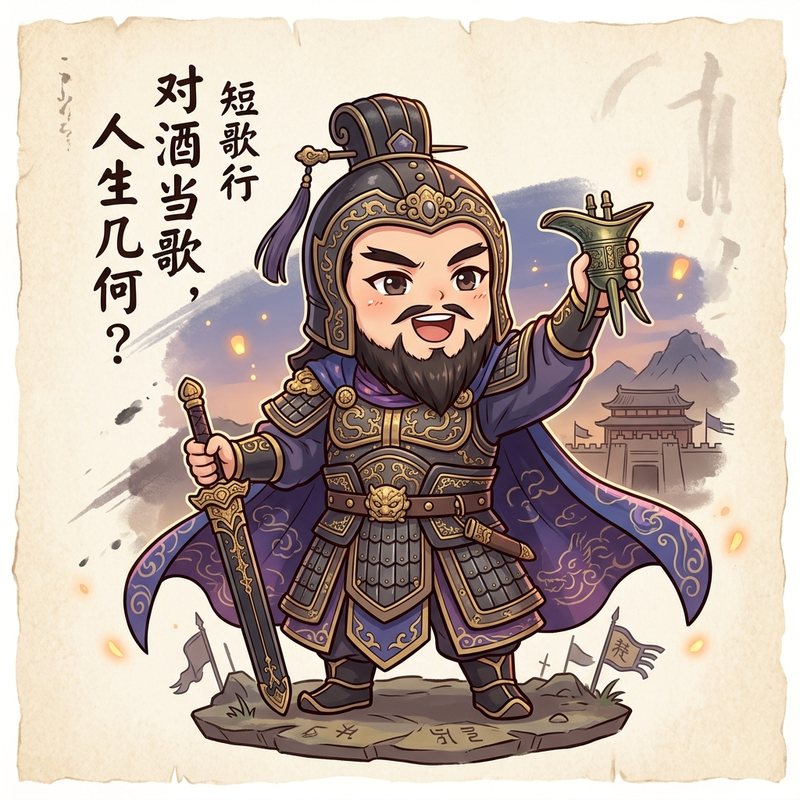
In Chinese opera and popular video games like Dynasty Warriors and Total War: Three Kingdoms, Cao Cao (155–220 AD) is famously depicted as the ultimate archetyp...
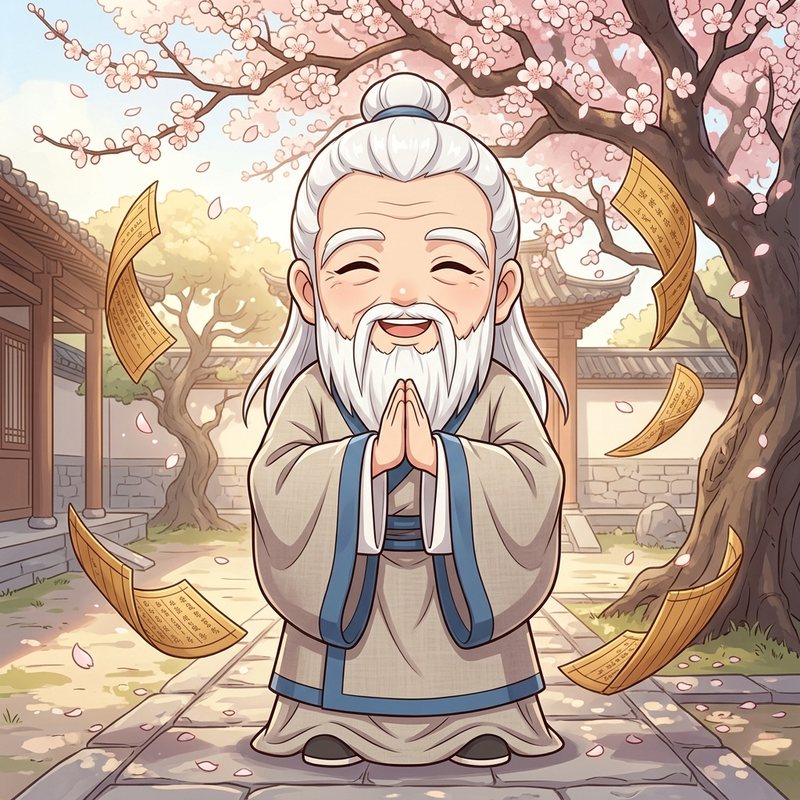
At age fifty-five, when most men in antiquity prepared for retirement, Confucius walked away from his high ministerial post in the State of Lu. What followed wa...
"Confucius say: man who walk through airport door sideways going to Bangkok." If you grew up on Western internet culture, you have heard hundreds of these mock-...
Over two and a half millennia after his passing, the aphorisms of Confucius (551–479 BCE) remain among the most influential ethical compasses in human history. ...
During China's bloody Warring States period (475–221 BCE), two diametrically opposed philosophies fought for the soul of the empire. Confucius argued that socie...
Confucius (551–479 BCE), revered across Asia as Kong Fuzi, was not an emperor or mystic divinity. He was a resilient orphan who rose through self-education to d...
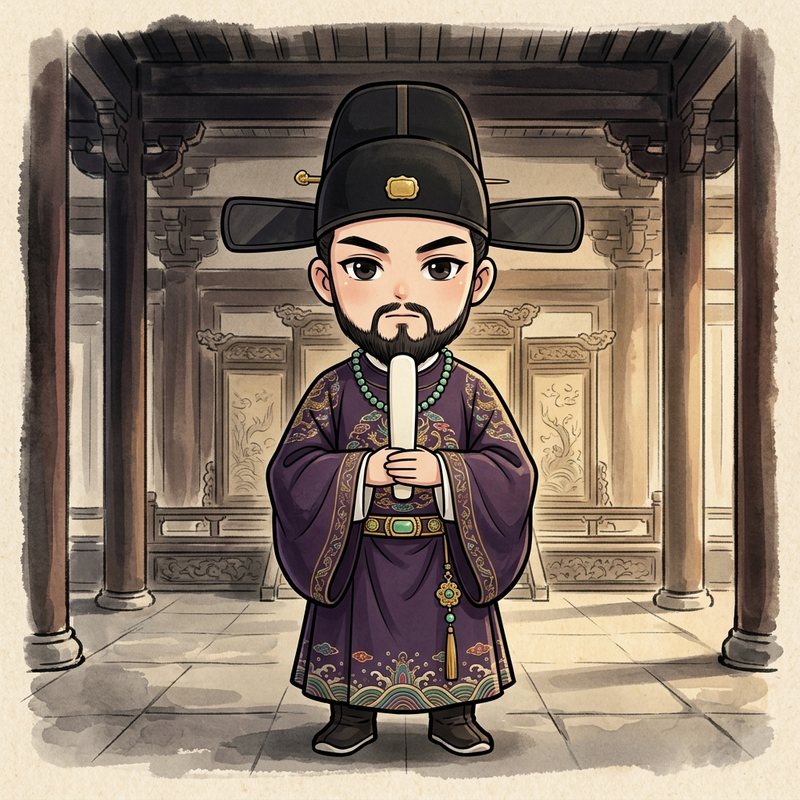
Judge Dee, the incisive Tang dynasty detective of Robert van Gulik's beloved mysteries and Tsui Hark's Detective Dee blockbusters, is world-famous. But was he r...
To millions around the globe, he is celebrated as Judge Dee—the sharp-witted detective from Robert van Gulik's mystery novels who untangles ancient crimes. Yet ...
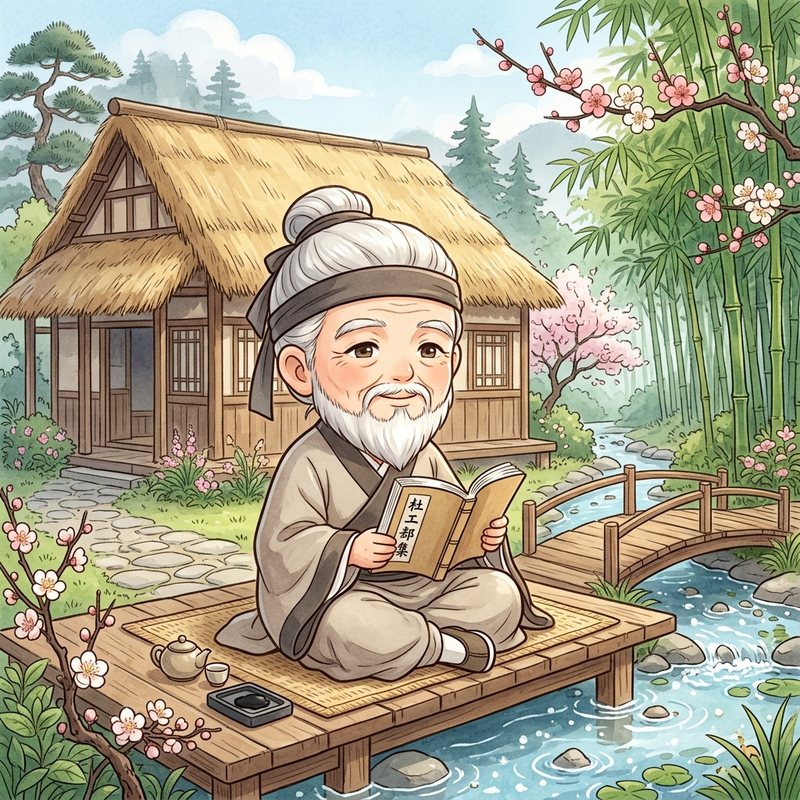
If Li Bai is the poet of what the human spirit dreams of becoming, Du Fu (712–770) is the poet of what the human condition actually endures. Known as 'Shi Sheng...
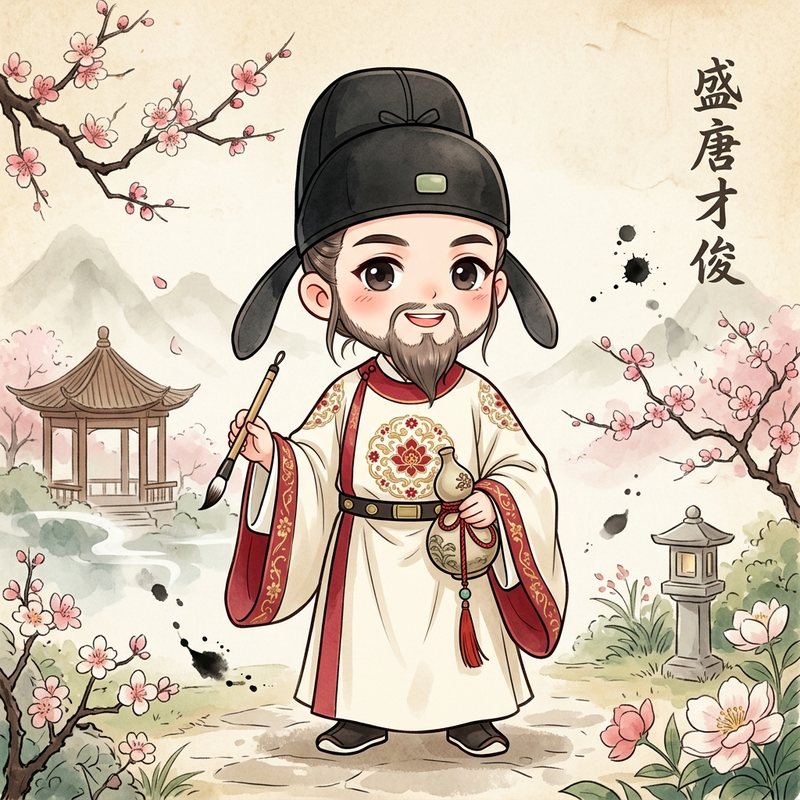
Imagine a dashing aristocrat whose poetic quatrains etched the eternal soul of misty Jiangnan into world literature, yet who spent sleepless nights annotating S...
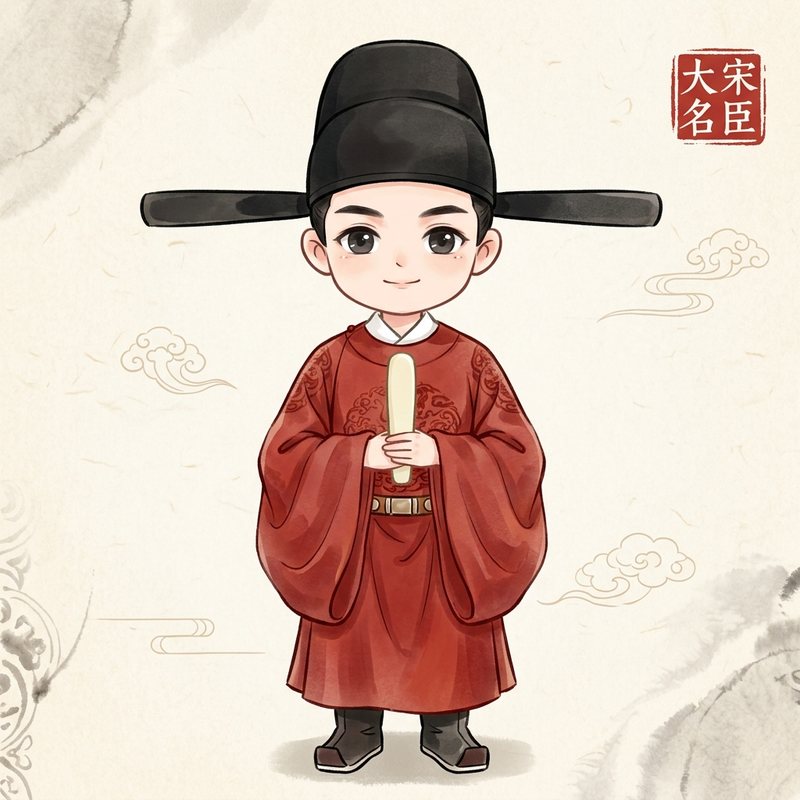
What does it take to become the supreme moral exemplar of an entire civilization? For Fan Zhongyan (989–1052), it meant rising from orphaned poverty through fiv...
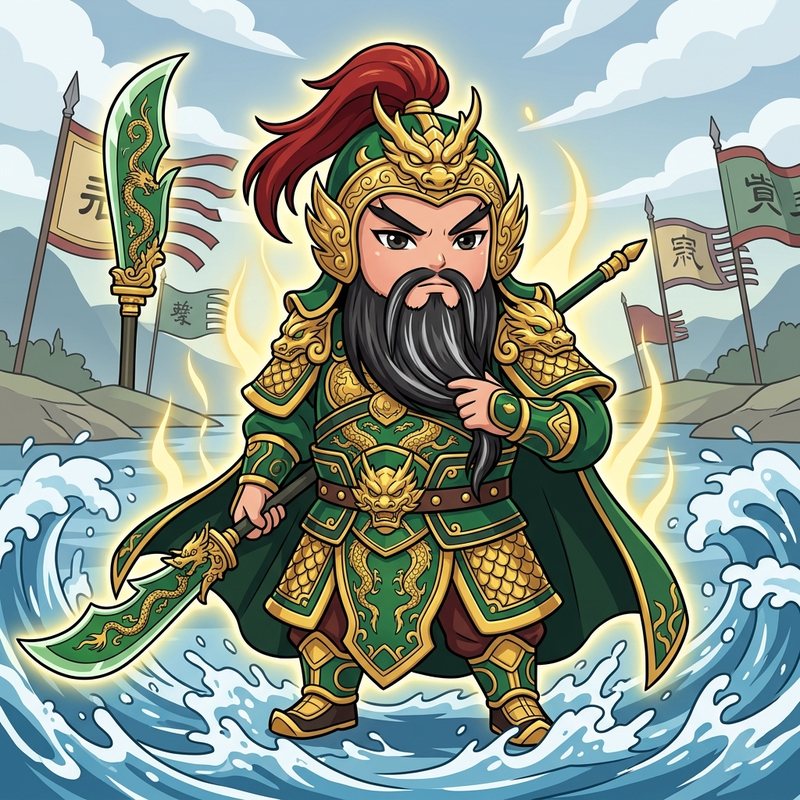
Step into almost any traditional Chinese restaurant, bank, gem store, or corporate boardroom in Hong Kong, Taipei, Vancouver, or London, and you will encounter ...
From New York's Chinatown to Tokyo, Hong Kong police headquarters, and Southeast Asian trading houses, statues of a red-faced, green-robed warrior holding a cre...
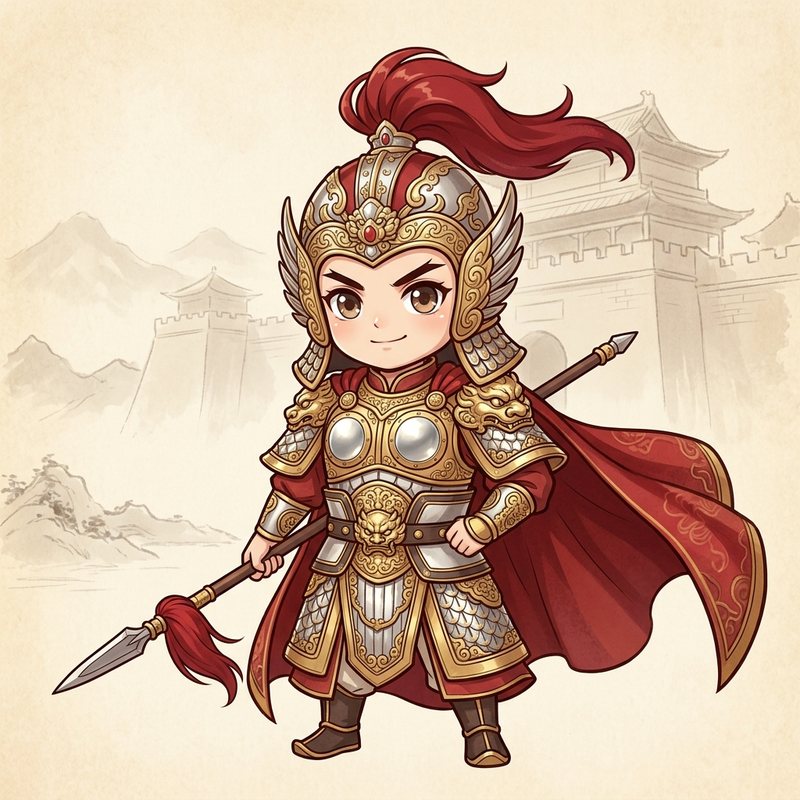
Imagine an empire facing sudden, apocalyptic collapse—its capitals plundered, its emperor fleeing into mountain exile, and hundreds of thousands of rebel cavalr...
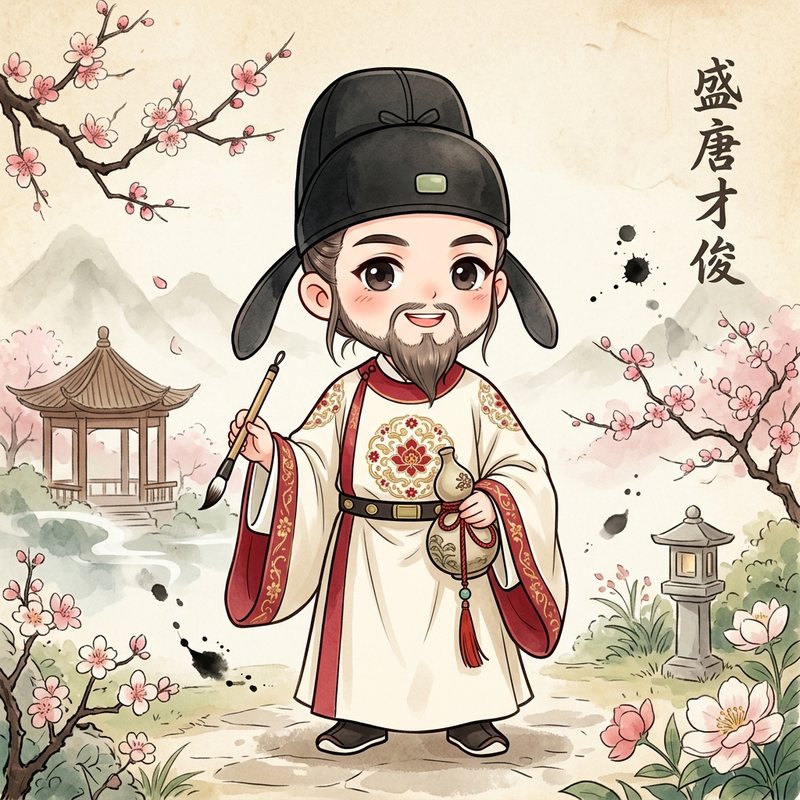
Imagine a scholar whose words possessed the thunderous moral power to overturn eight dynasties of decadent literary style and whose unyielding conscience shook ...
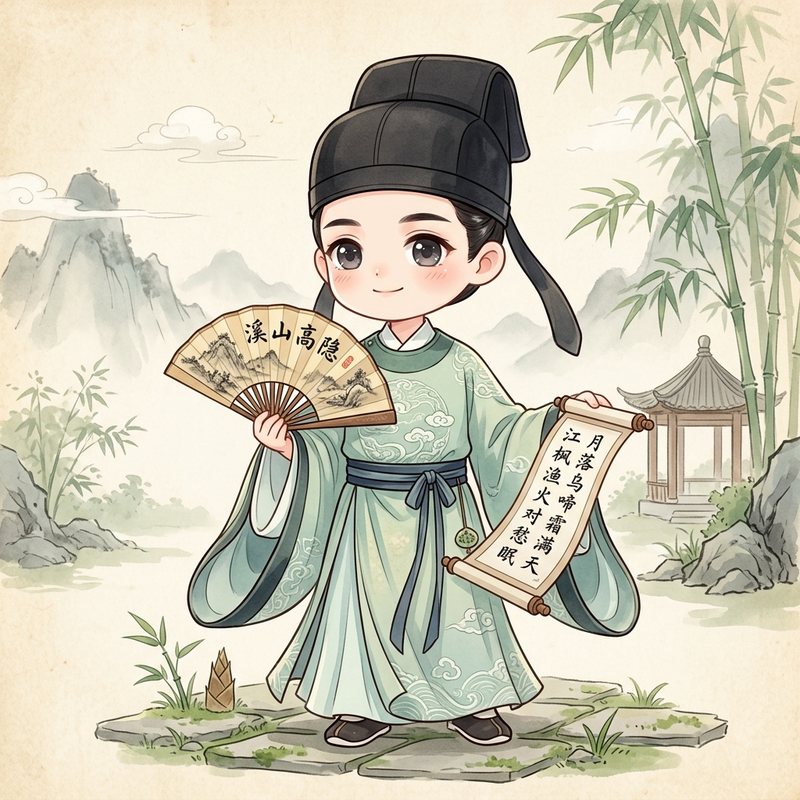
Among the brilliant luminaries of China's Northern Song cultural golden age, few minds wielded both the poetic brush and calligraphic ink with the transformativ...
What if the greatest spiritual revolutionary in East Asian history was an unlettered southern woodcutter who never read a scripture? That was Huineng (638–713 C...
Imagine an aging spiritual master who watched his ships pulverized by ocean tempests five times, was stranded on tropical reefs, endured arrest, lost his deares...
Comprising roughly 5,000 characters across 81 cryptic poems, the Dao De Jing (Tao Te Ching) is the second most translated work in human history after the Bible....
Laozi (literally 'Old Master'), born Li Er in the 6th century BCE, is frequently envisioned as an enigmatic mystic floating among Daoist clouds. Yet the grand h...
In our hyper-connected modern economy, productivity is glorified as an extreme sport. Hustle culture tells us that if we aren't constantly grinding, stressing, ...
If one single poem encapsulates the untamable spirit of the Tang dynasty's 'Banished Immortal', it is Qiang Jin Jiu (Bring in the Wine). Composed around 752 CE ...
China has one word for its two greatest poets: Li Du (李杜) — Li Bai and Du Fu, spoken together like 'Gilbert and Sullivan' or 'Bach and Beethoven'. They were fri...
If Chinese poetry had a rock star, it would be Li Bai (701–762). A wandering swordsman who conversed with the moon and a drinker of legend who composed immortal...
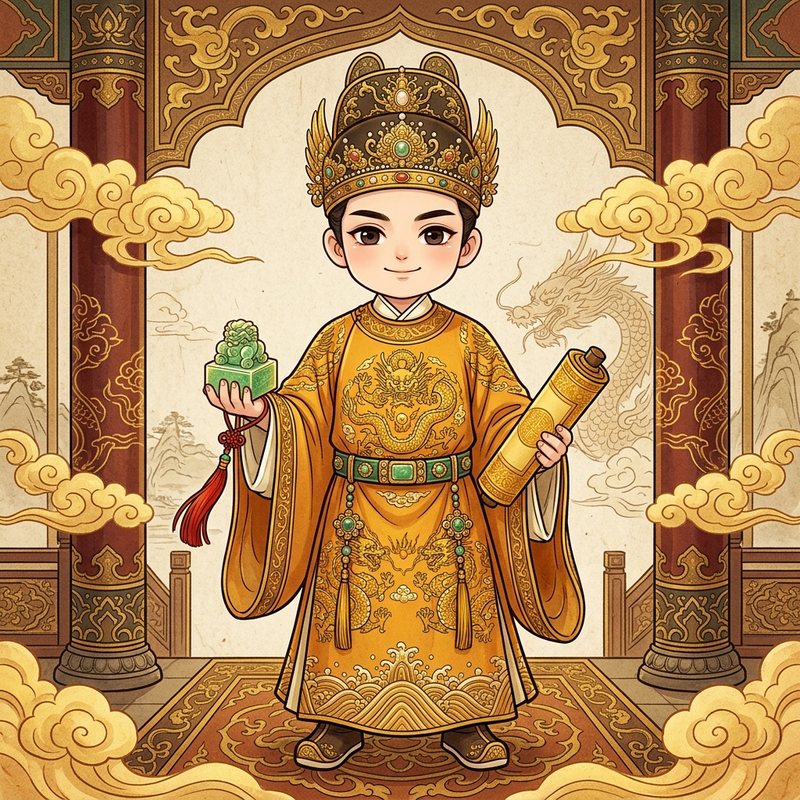
No monarch in Chinese history embodied such dizzying extremes of imperial glory and devastating heartbreak as Li Longji (685–762 CE), known to history as Empero...
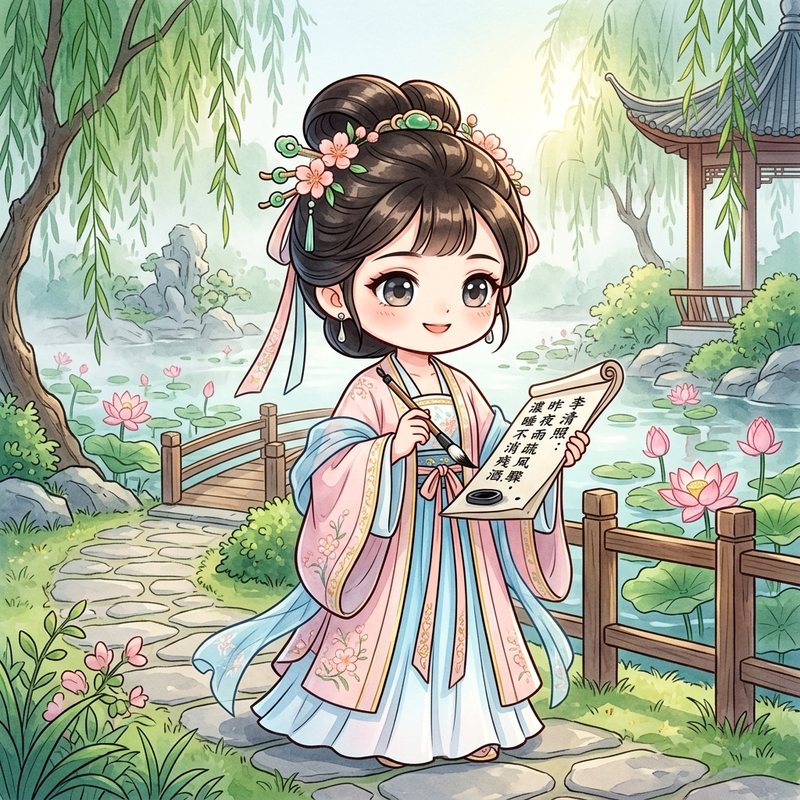
Li Qingzhao (1084–1155) stands undisputed as China's greatest female poet, a pioneering epigrapher, and a fearless intellectual who shattered the gender shackle...
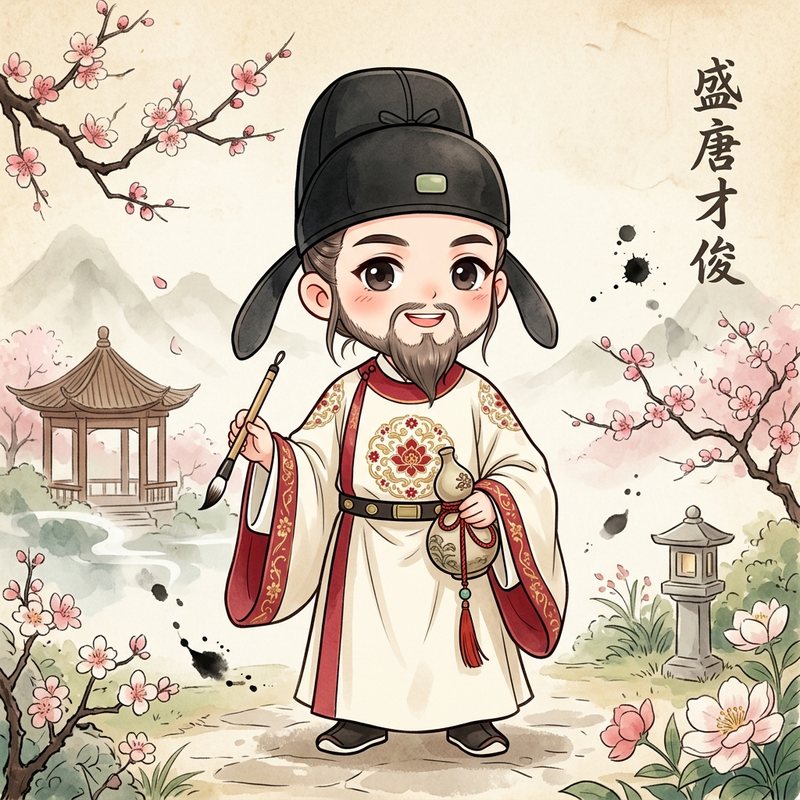
Among the grand constellation of Chinese poets, none crafted verses more exquisite, ambiguous, or hauntingly modern than Li Shangyin (812–858 CE). Writing durin...
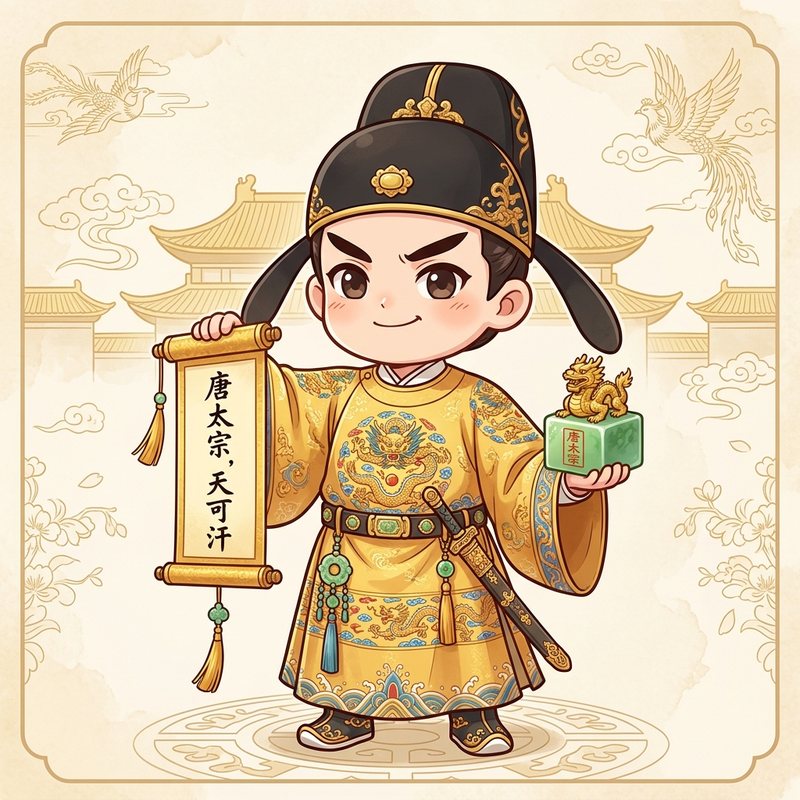
Li Shimin (598–649), Emperor Taizong of Tang, is remembered as the co-founder and chief architect of Tang China's early golden age. After helping his father sei...
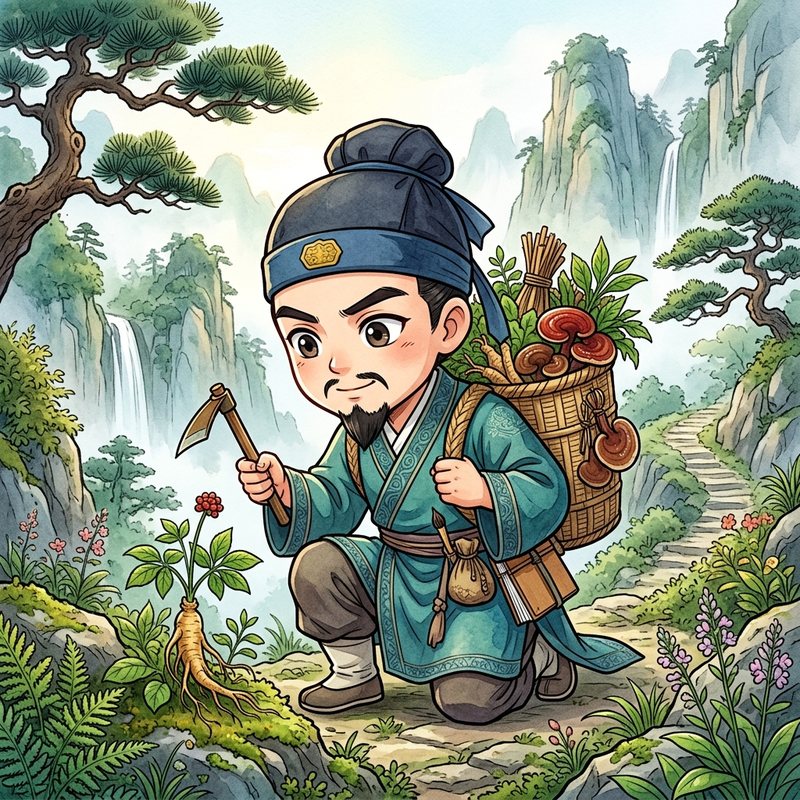
Three centuries before Western pharmacology developed modern empirical fieldwork, a lone doctor in Ming Dynasty China was risking his life on misty cliffs and m...
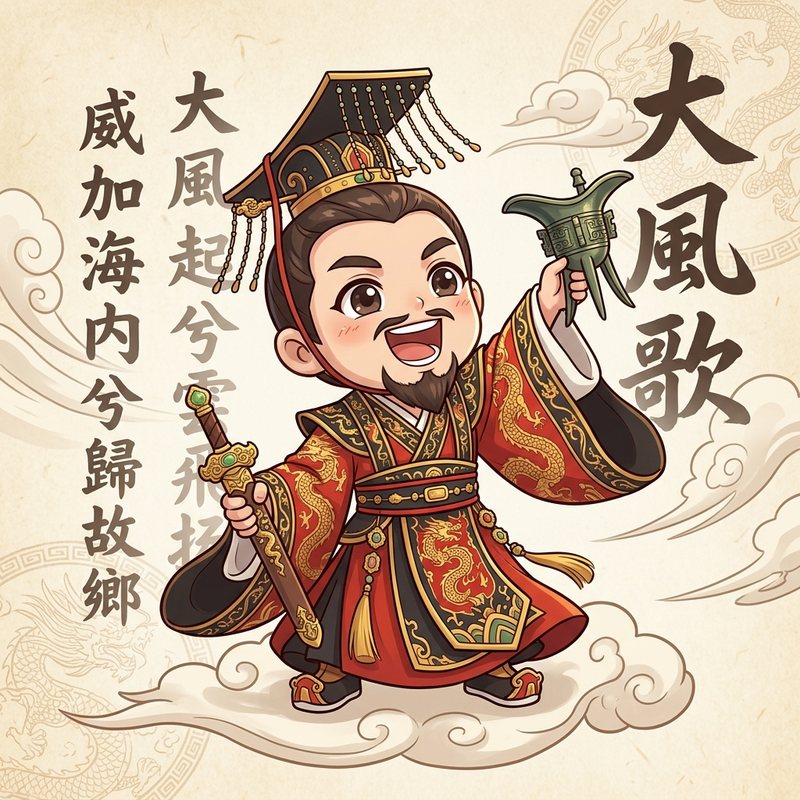
Liu Bang (c. 256–195 BCE), Emperor Gaozu of Han, began as a minor local official and ended as founder of a dynasty that defined 'Han' identity for centuries. He...
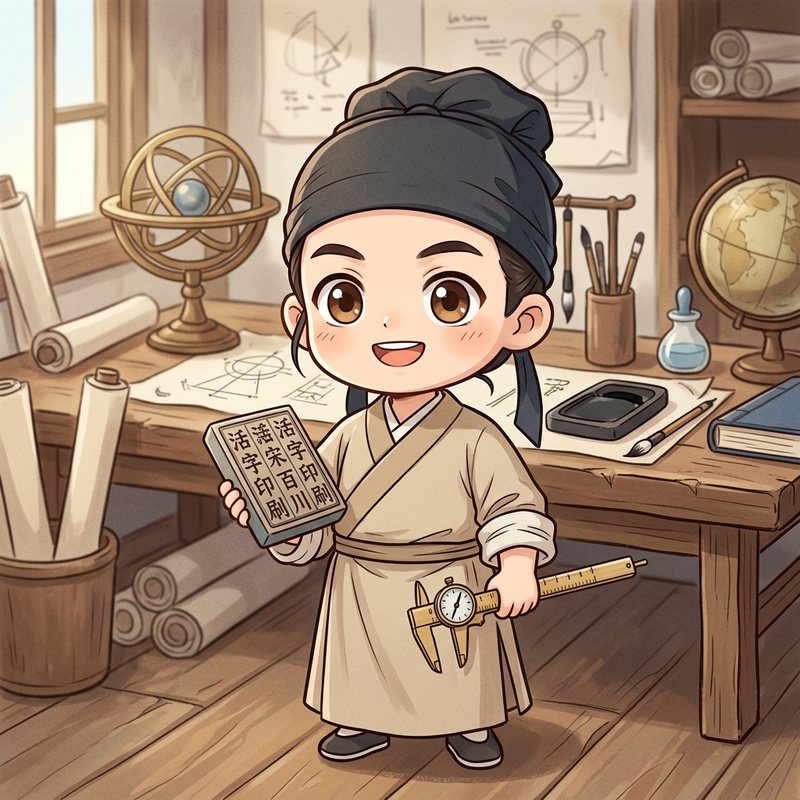
In an empire governed by rigid imperial examinations and elite courtly manners, one literary rebel chose the songs of tavern courtesans and the bustling whisper...
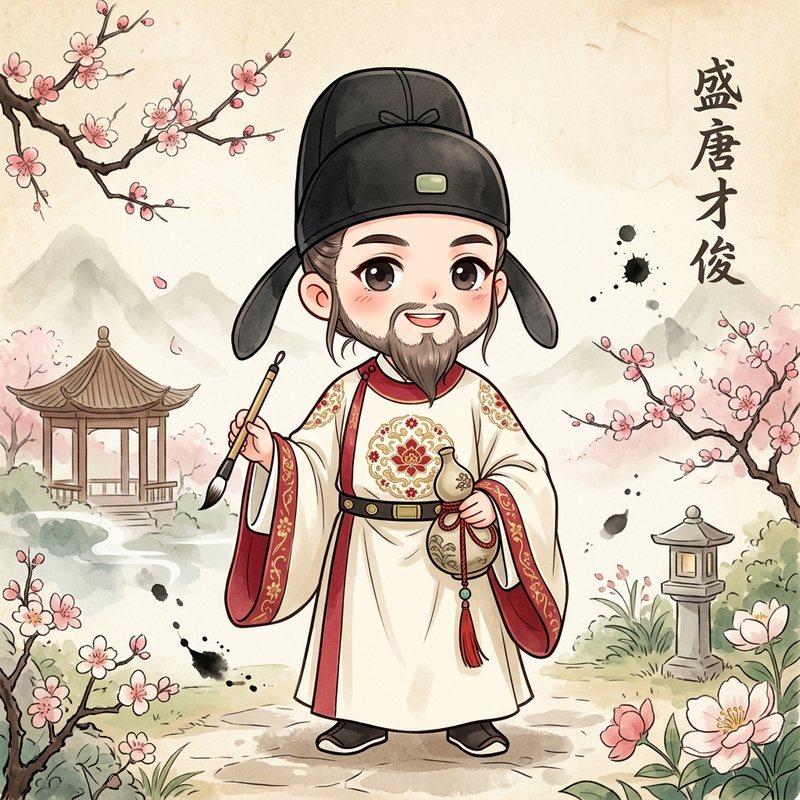
Imagine enduring twenty-three punishing years of political banishment to the empire's malarial frontiers, yet meeting each blow not with sorrow, but with radian...
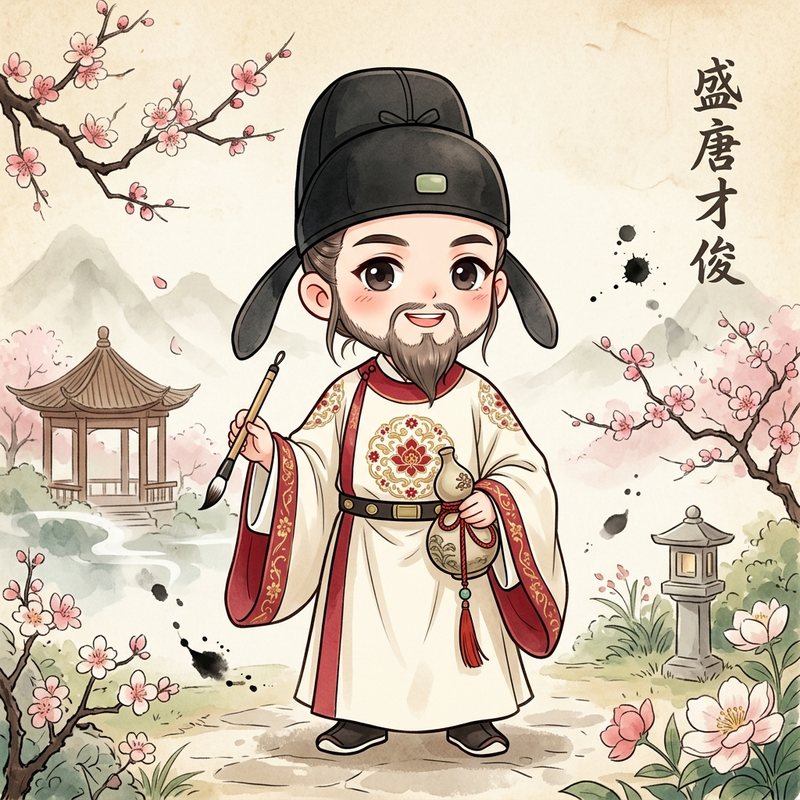
What happens when an imperial visionary is cast out from the emperor's court into the wildest southern peripheries of the Tang Empire? In the case of Liu Zongyu...
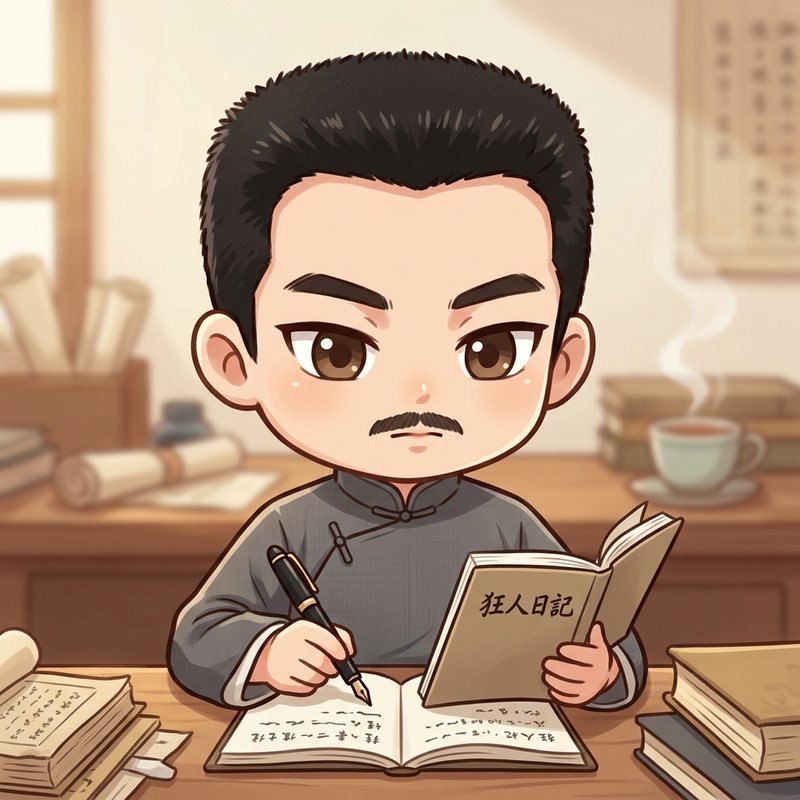
Lu Xun (Zhou Shuren, 1881–1936) is the central giant of modern Chinese literature. Trained in medicine in Japan, he turned to writing after concluding that Chin...
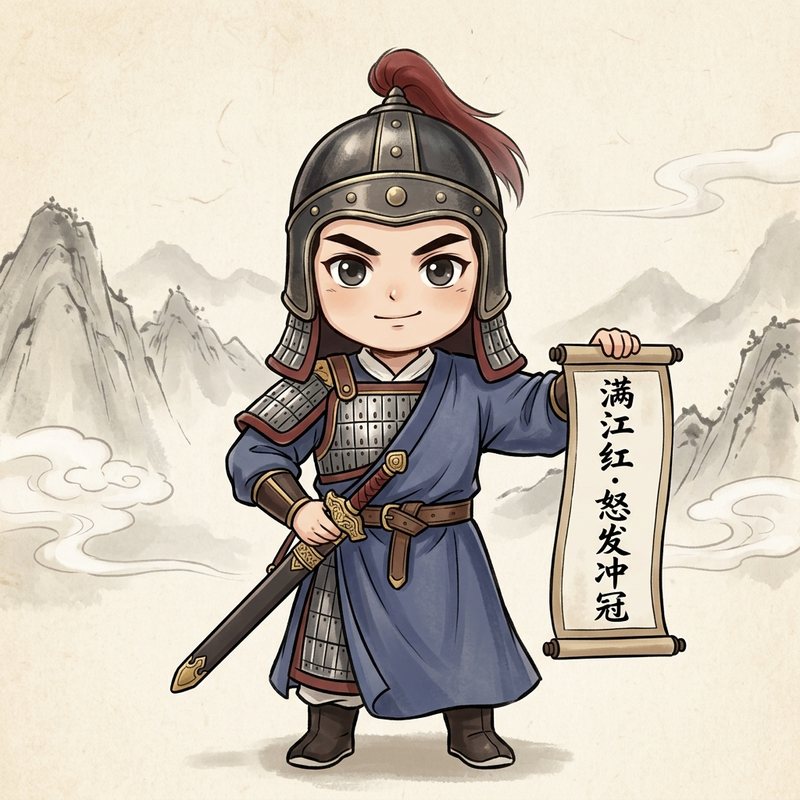
Imagine a poet who wrote nearly ten thousand verses across eight turbulent decades—prolific as William Wordsworth, morally resolute as Du Fu, yet equally capabl...
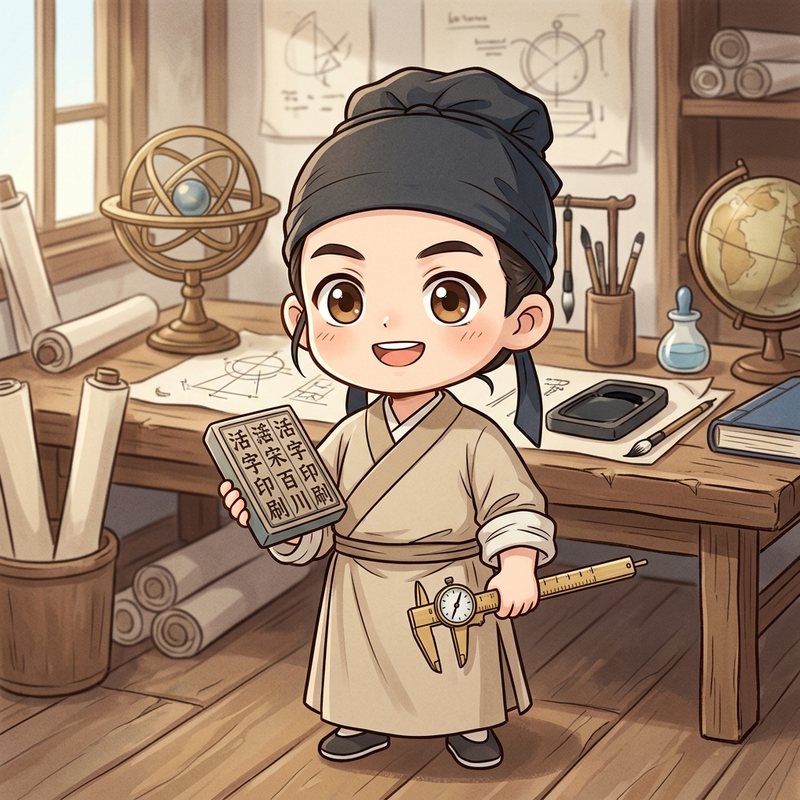
Before Lu Yu, tea was an unrefined herbal soup boiled with salt, ginger, orange peel, and scallions. After Lu Yu, tea became a transcendent spiritual path, a bo...
Among the towering titans of Chinese art, no figure burns with a wilder, more intoxicating brilliance than Mi Fu (1051–1107). Celebrated alongside Su Shi, Huang...

During China's Warring States era, two philosophical schools dominated all intellectual life: Confucianism and Mohism. Ancient chronicles noted that 'if a schol...
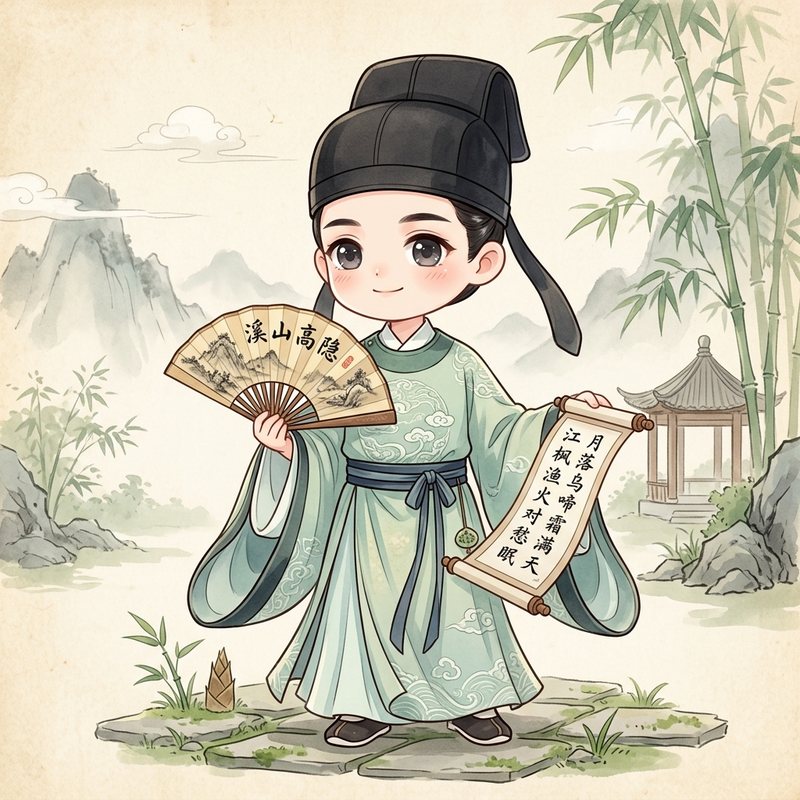
What does it take to build an entire golden age of literature? In the case of Ouyang Xiu (1007–1072), it took the generosity of a master mentor who refused to b...
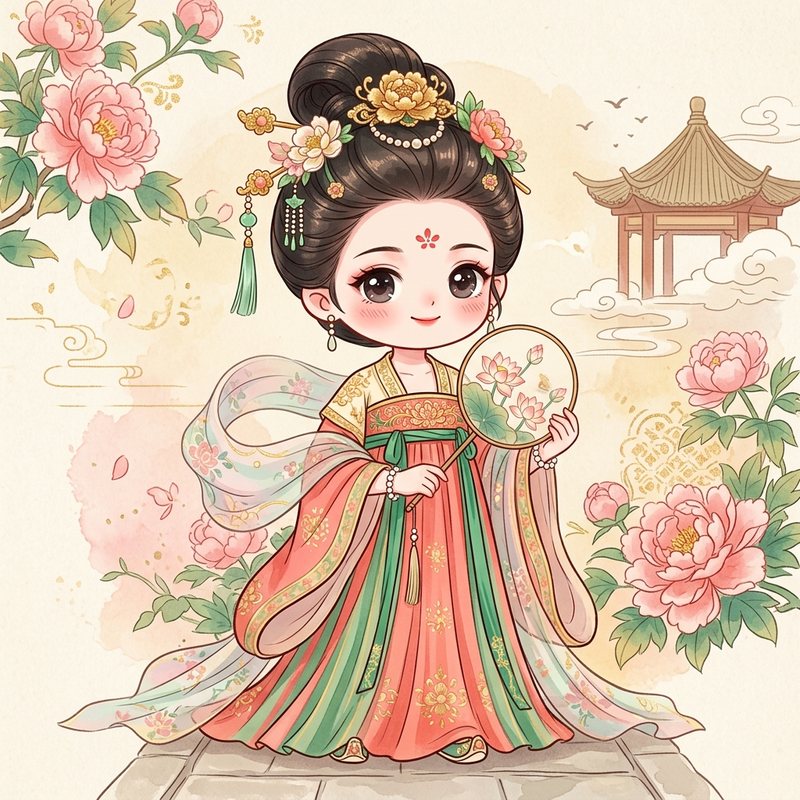
In the spring of 641 CE, an imperial carriage escorted by cavalry departed the glittering Tang capital of Chang'an, carrying a young noblewoman tasked with unit...
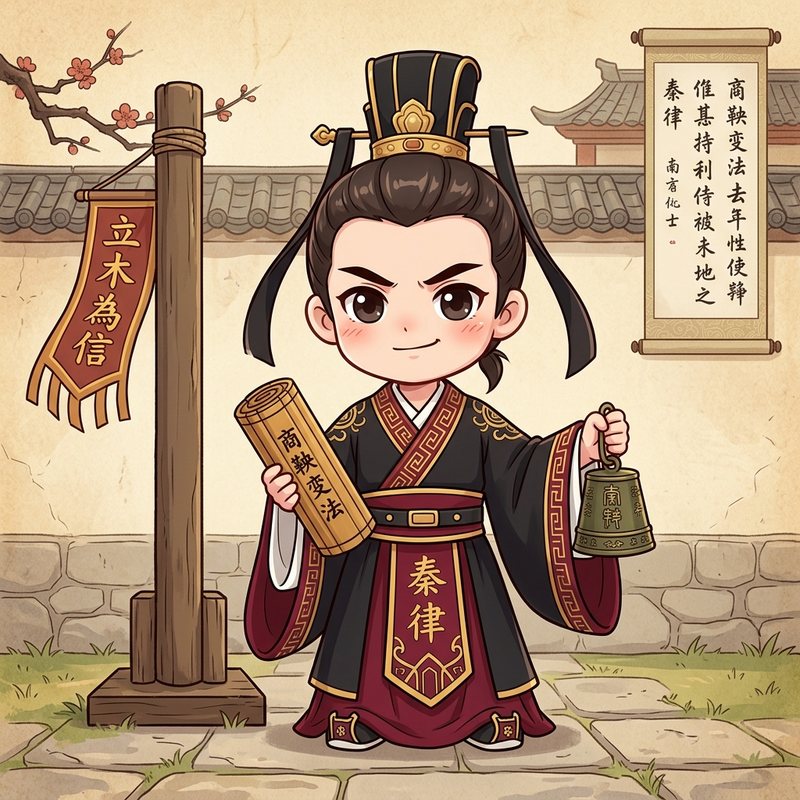
Shang Yang (d. 338 BCE) was the Legalist reformer who transformed Qin from a rough western polity into a disciplined expansion engine. He tied rank to battlefie...
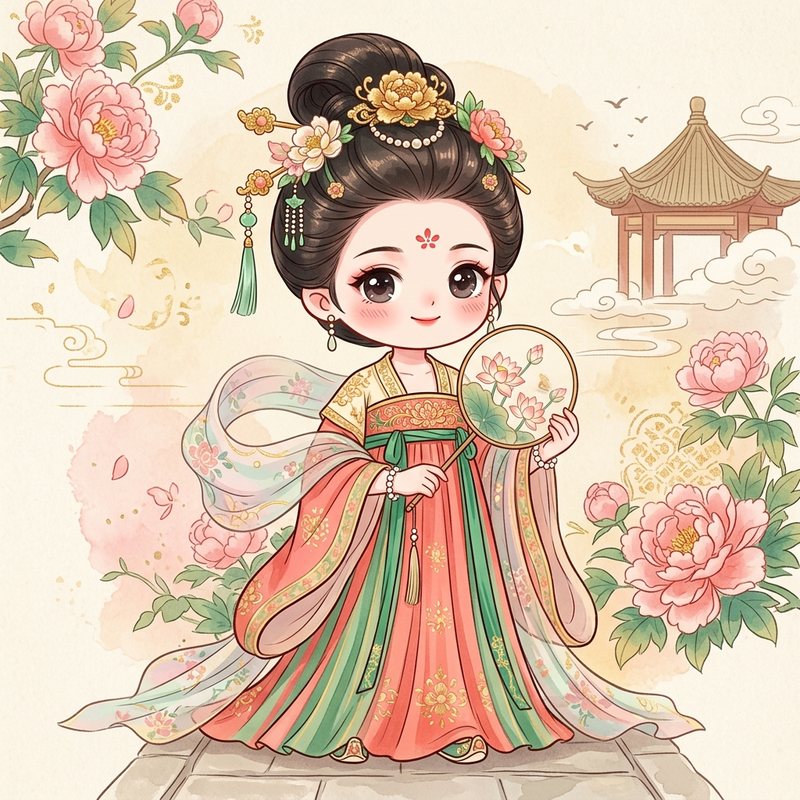
In the patriarchal courts of imperial China, where state power was guarded by male ministers, one woman shattered every established convention through raw intel...
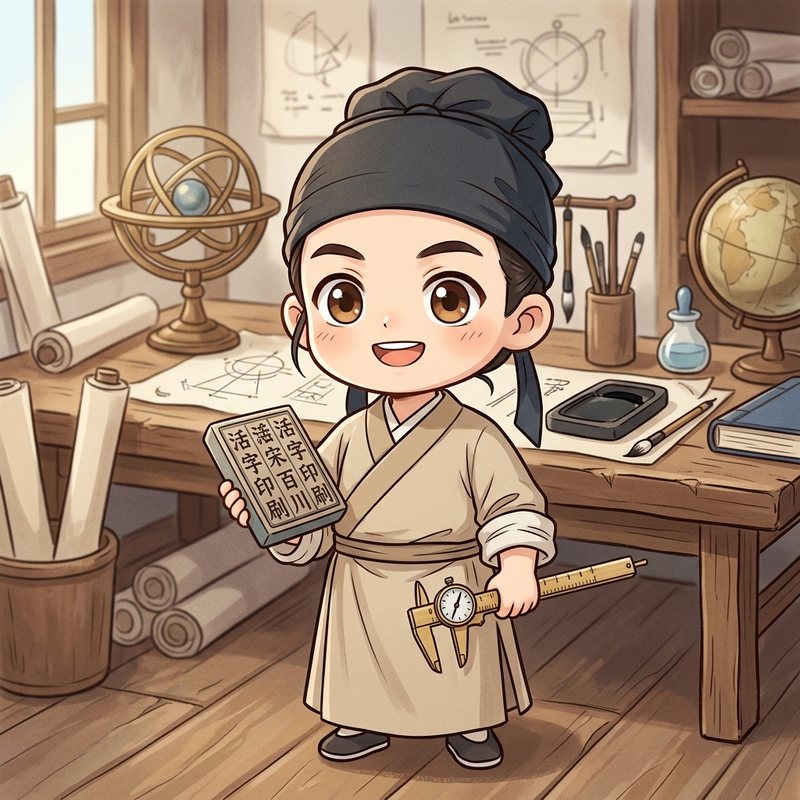
Centuries before the European Renaissance, one extraordinary mind in eleventh-century Song Dynasty China simultaneously mapped the stars, revolutionized canal h...
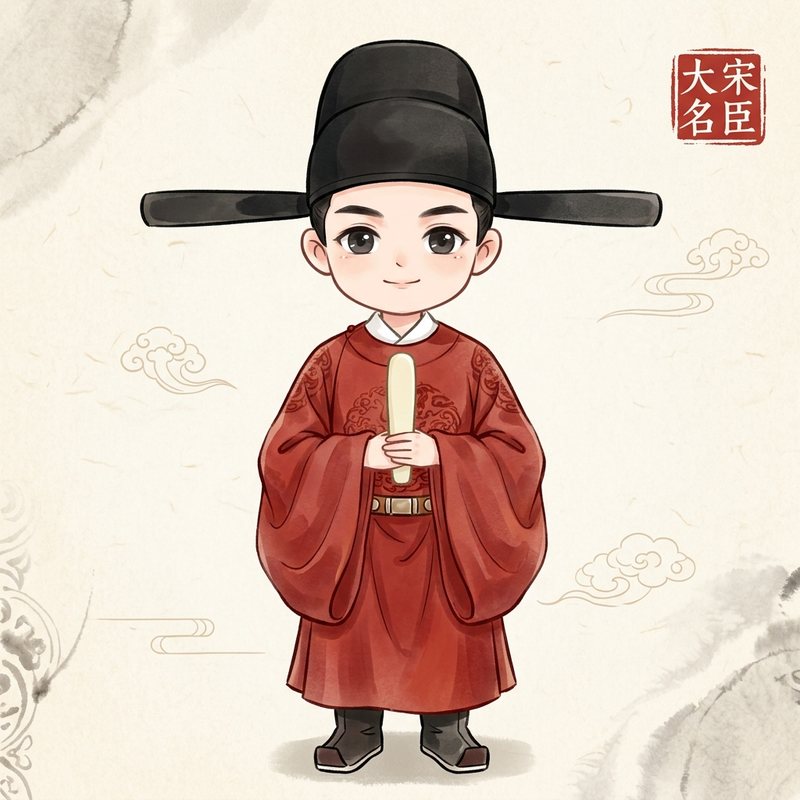
To the Western world, the grand chronicling of civilization's moral lessons belongs to the Roman historian Livy or Edward Gibbon. But in traditional East Asia, ...
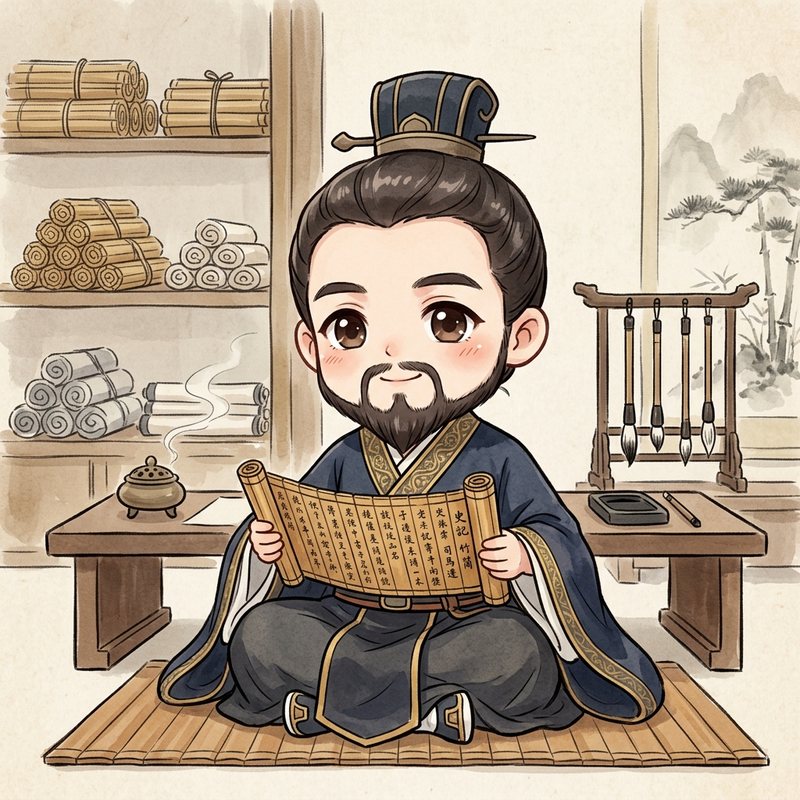
Civilizations are anchored by the stories they tell about their past. In ancient Greece during the 5th century BCE, Herodotus traveled across the Mediterranean ...
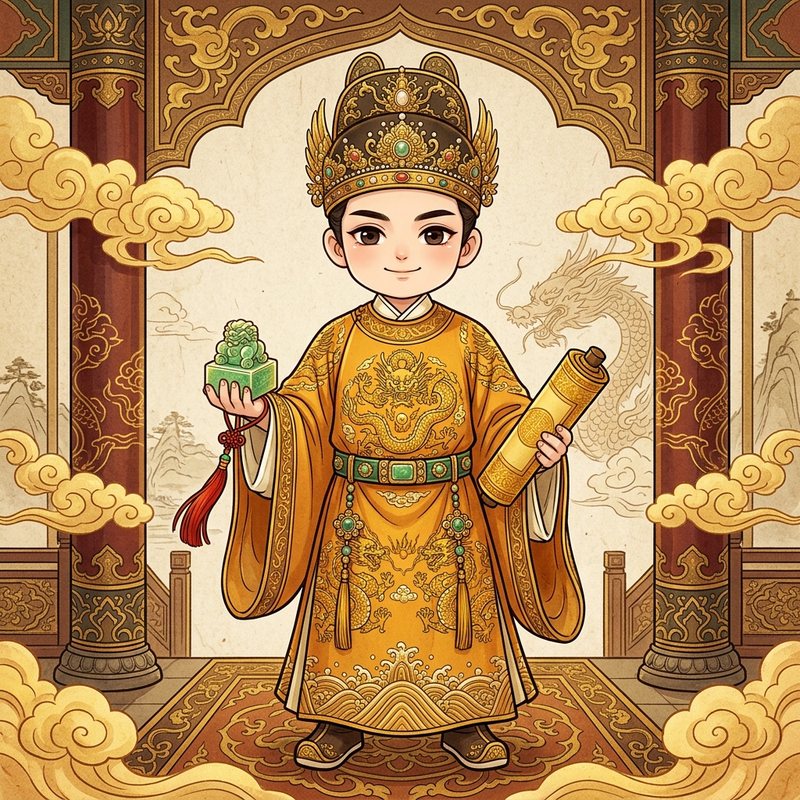
Imagine an emperor whose personal calligraphy was so dazzlingly original that it became an eternal imperial script, whose royal academy trained the greatest pai...
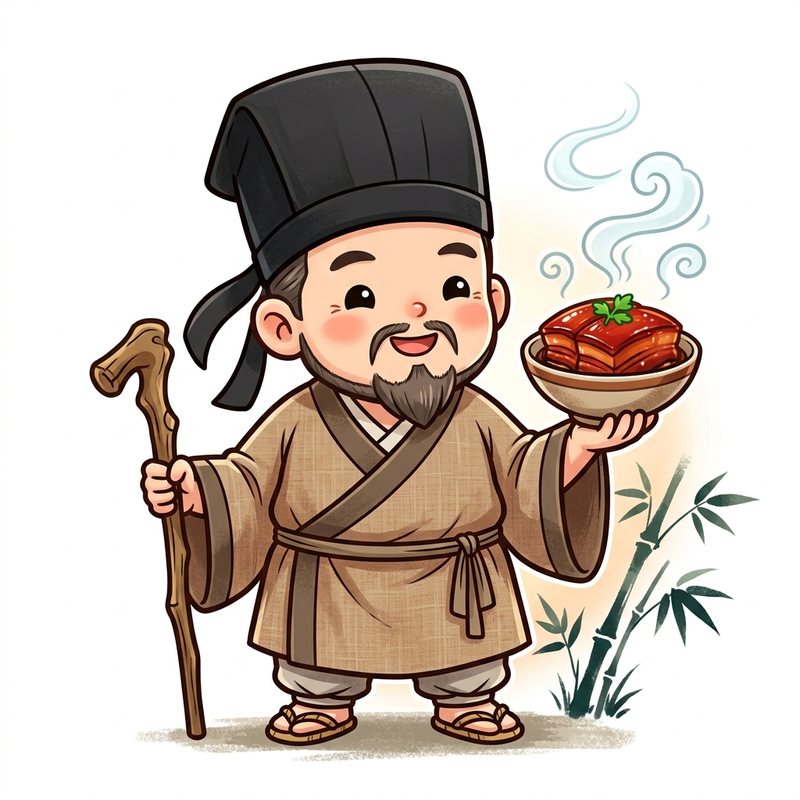
At age 43, Su Shi was a front-runner for high office in the Song empire. Within months the Crow Terrace Poetry Case put him on death row. Pardoned, he was strip...
Imagine a historical figure who combined the political intellect of Thomas Jefferson, the essayistic candor of Michel de Montaigne, the artistic mastery of Leon...
Imagine the most respected writer of your country being dragged out of his office in chains — because of metaphors. In 1079, that is exactly what happened to Su...
Dongpo Pork is one of the most famous dishes in Chinese cuisine — glossy, mahogany-colored braised pork belly that melts on the tongue. But its true origin stor...
What happens when a Roman Emperor and a Chinese poet face devastating personal crisis? Separated by 900 years and 5,000 miles, Emperor Marcus Aurelius (121–180 ...
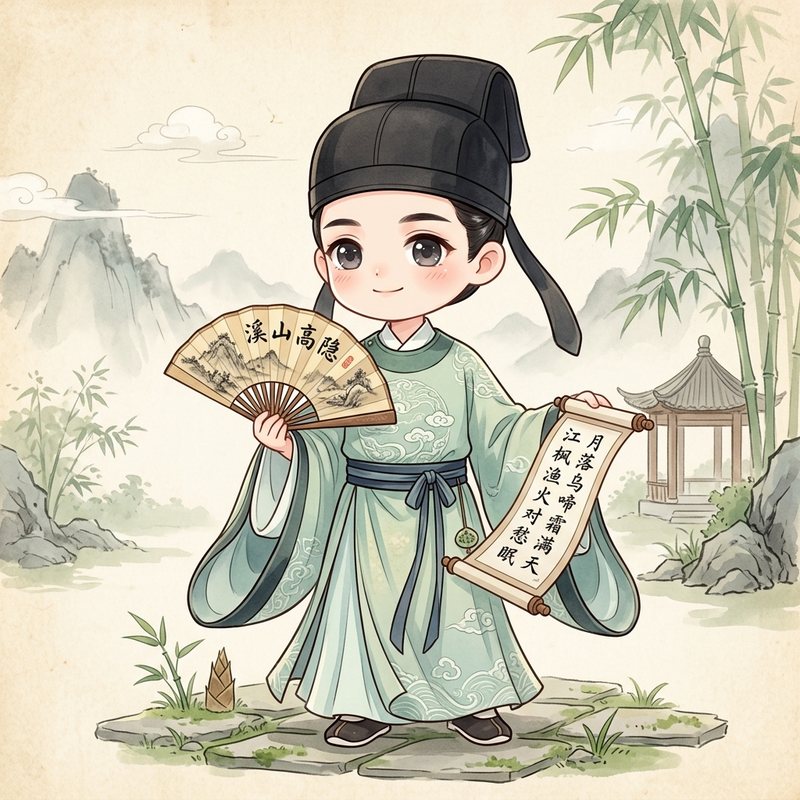
Behind every dazzling literary superstar stands a quiet anchor whose steadfast wisdom holds the world steady. In the cultural golden age of Northern Song Dynast...
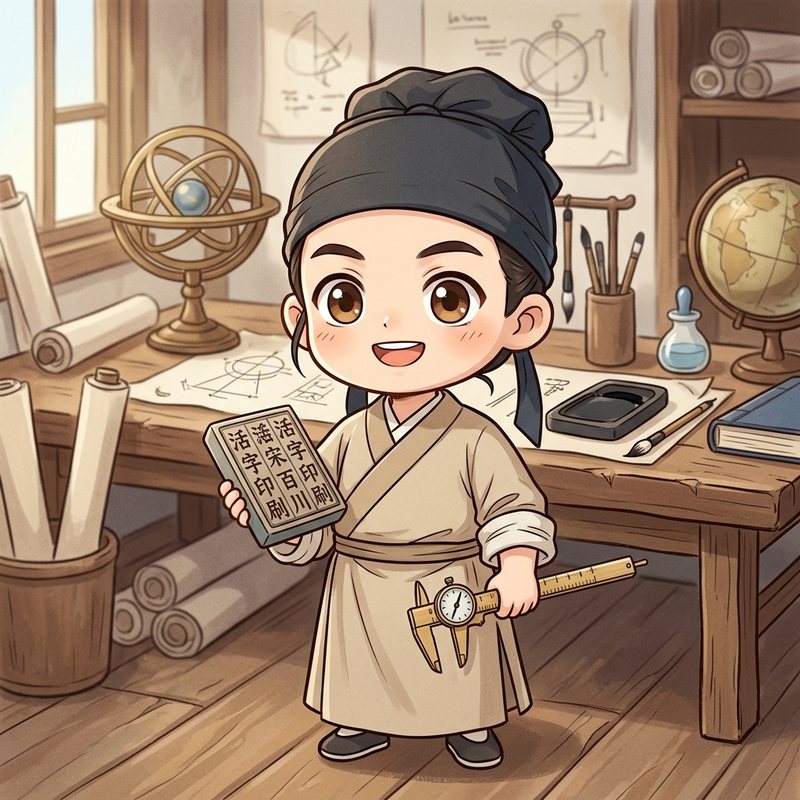
Centuries before modern bioethics was codified, a solitary scholar-physician in Tang Dynasty China made a revolutionary proclamation: every human life is more p...
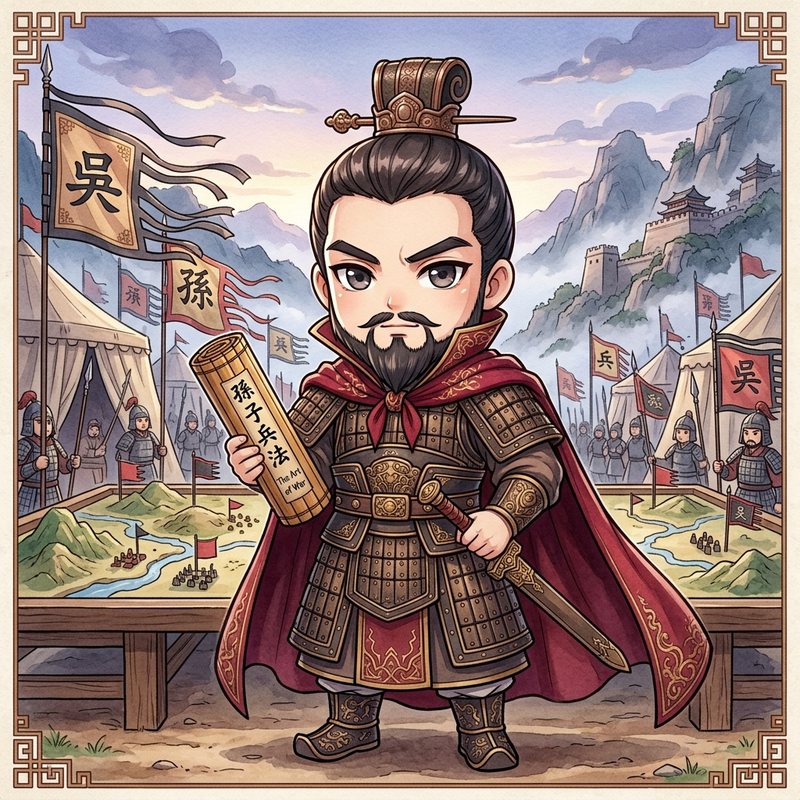
For decades, tech executives, venture capitalists, and corporate strategists have kept Sun Tzu's The Art of War on their desks. Far from promoting cutthroat agg...
For over eight centuries, historians in both East Asia and the West fiercely debated whether Sun Tzu (Sun Wu)—the legendary author of The Art of War (孙子兵法)—ever...
No military treatise in world history has been quoted—and misquoted—more than Sun Tzu's The Art of War. From Wall Street boardrooms to Hollywood blockbusters, i...
Millions of business leaders, military cadets, and sports coaches quote *The Art of War* every single day. Yet in the Western imagination, Sun Tzu is often trea...
What happens when a brilliant reformer tries to save a dying empire by rewriting its economic laws—and the whole world turns against him? In the case of Wang An...
Among the golden trinity of High Tang poets, Li Bai was the Daoist celestial flying above mortal concerns, and Du Fu was the Confucian sage weeping for humanity...
Imagine a lone imperial diplomat who, ambushed and imprisoned in ancient India, escaped across the frozen Himalayas, raised an allied army of Tibetan and Nepale...
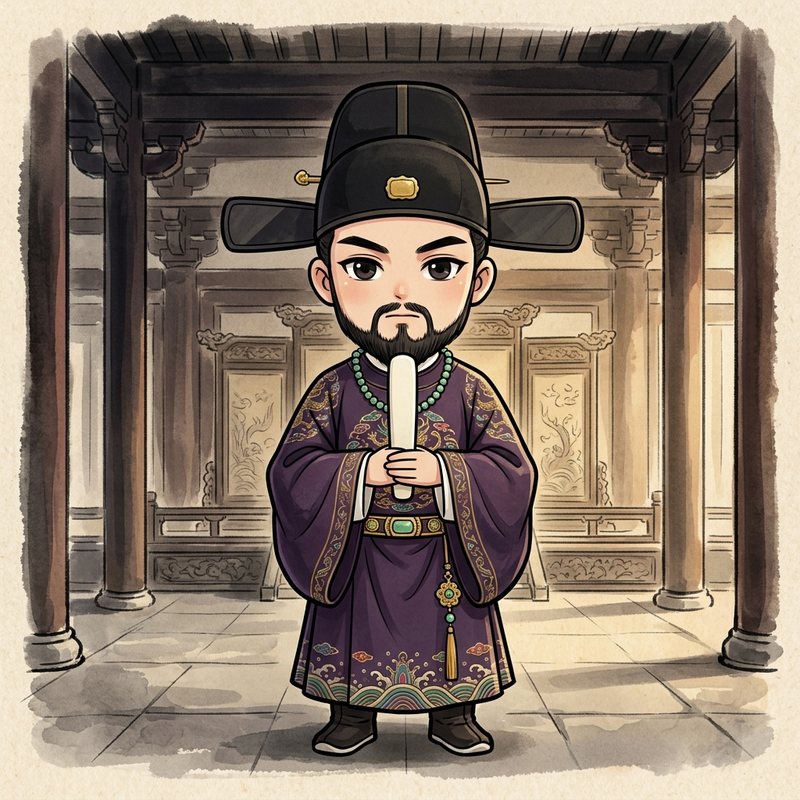
Imagine serving an all-powerful emperor who could execute any subject with a single nod—and choosing to criticize his vanity, his expenditures, and his foreign ...
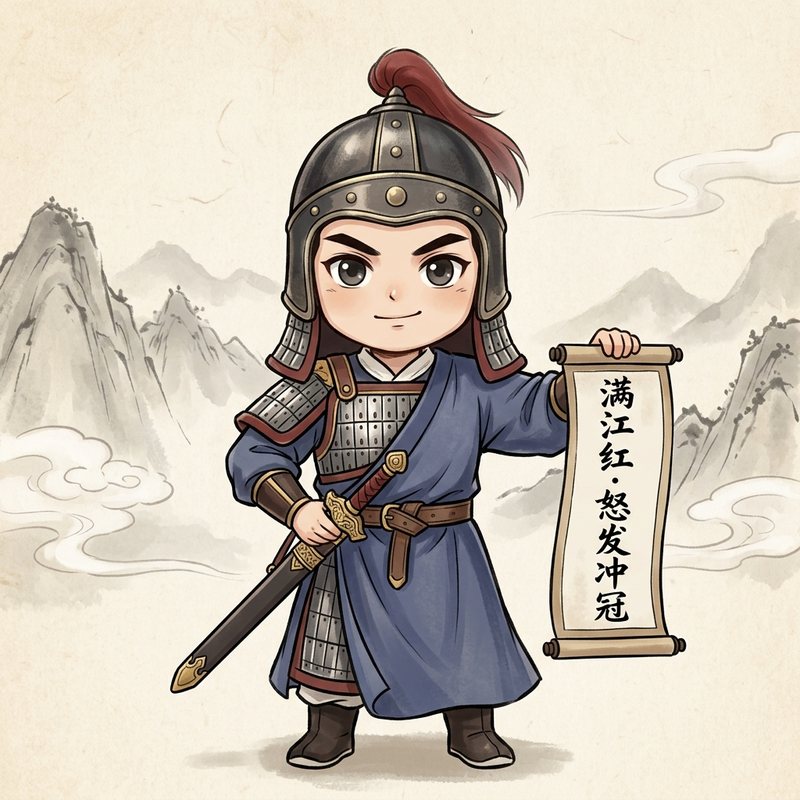
What defines the ultimate boundary of human courage when an empire crumbles into the sea? For seven centuries, China has looked to one name: Wen Tianxiang (1236...
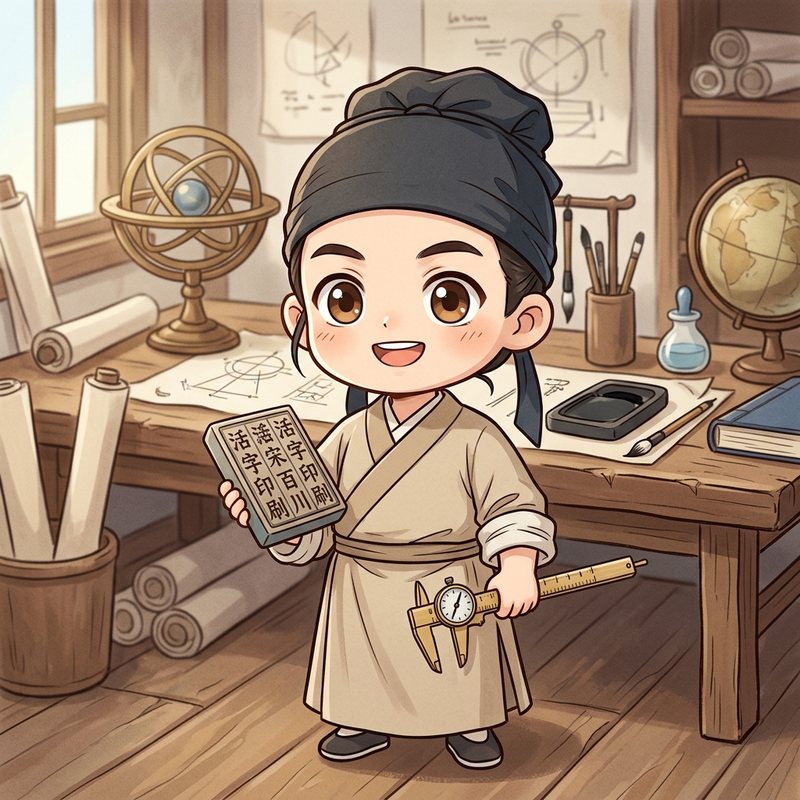
Imagine an artist who could stand before a massive temple wall in the Tang imperial capital, swing his arm without a compass or ruler, and complete a radiant ce...
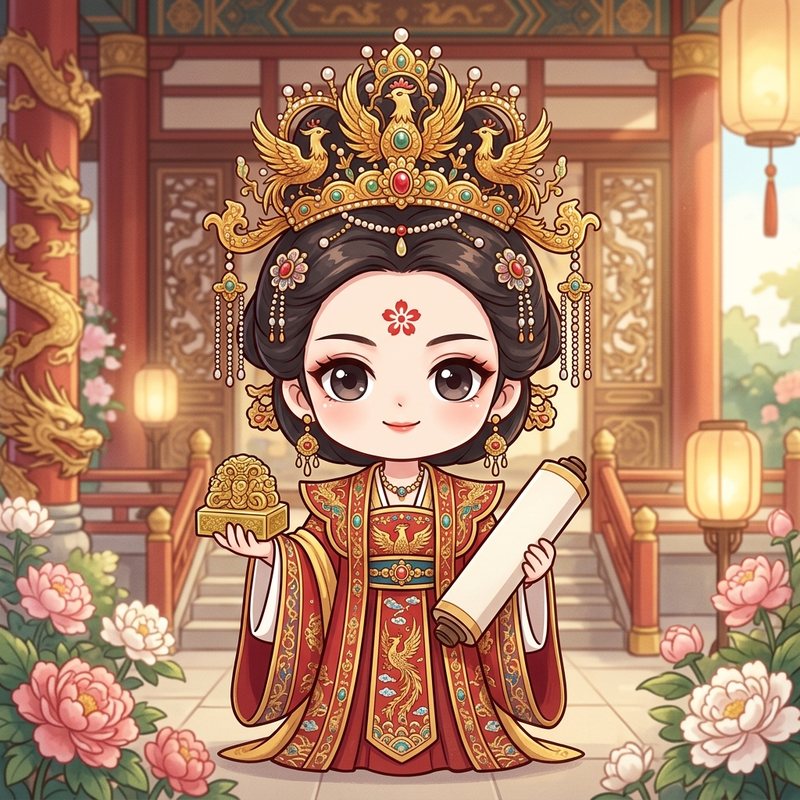
Wu Zetian (625–705) is the only woman in Chinese history to rule as emperor in her own name. She rose through the Tang palace, dominated court politics as empre...
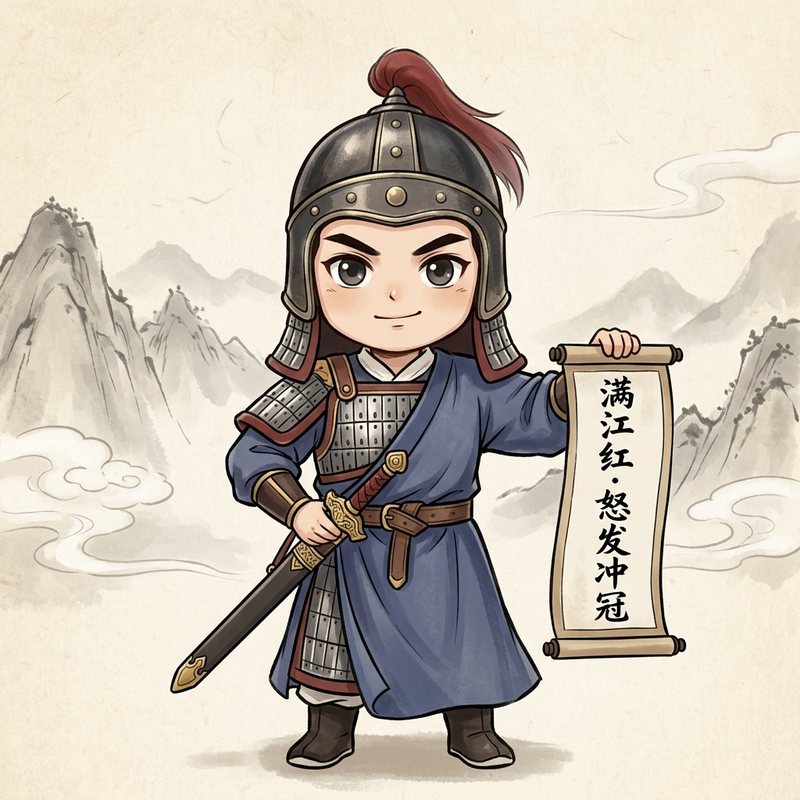
What happens when a fearless warrior and military genius is denied the battlefield by a cowardly empire? In the case of Xin Qiji (1140–1207), he transformed unf...
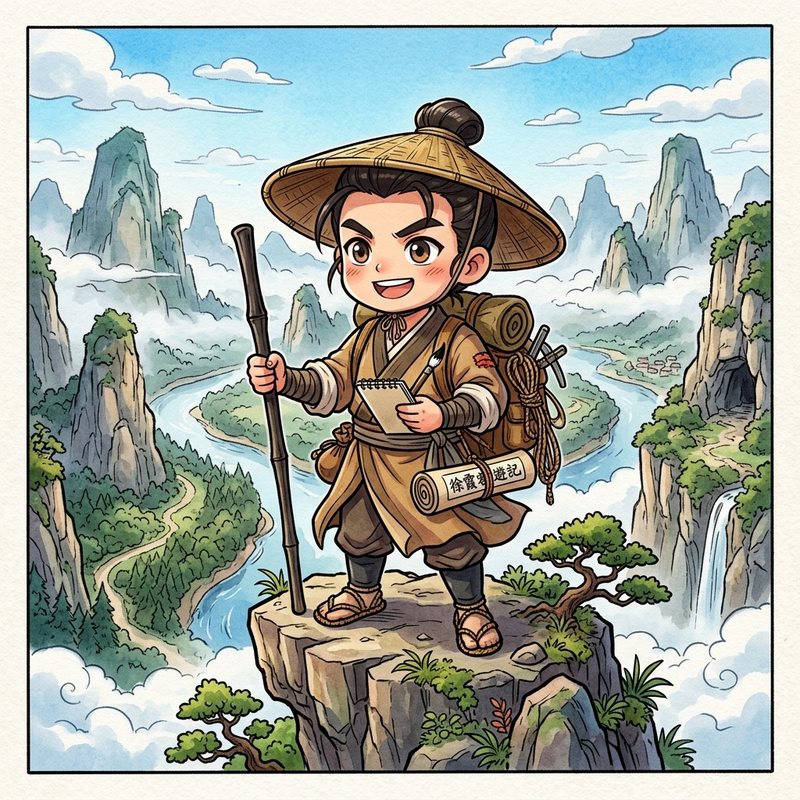
Centuries before modern outdoor backpacking, Gore-Tex mountaineering gear, and satellite GPS, a lone scholar in late Ming Dynasty China set out on the ultimate ...
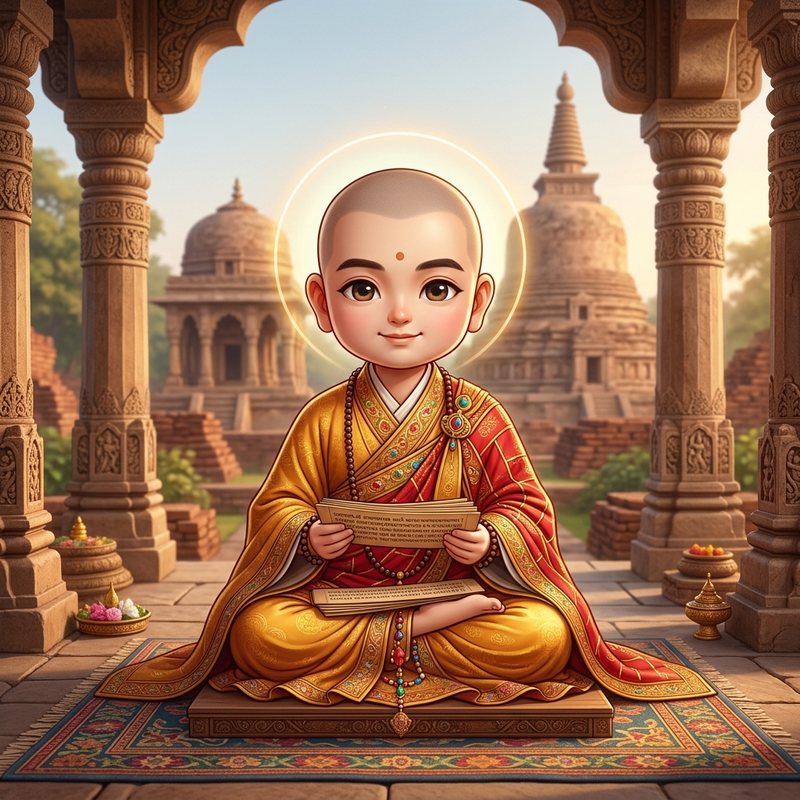
Throughout the world, 'Journey to the West' is celebrated as the mythical adventure of the Monkey King protecting a fragile monk from shapeshifting demons. Yet ...
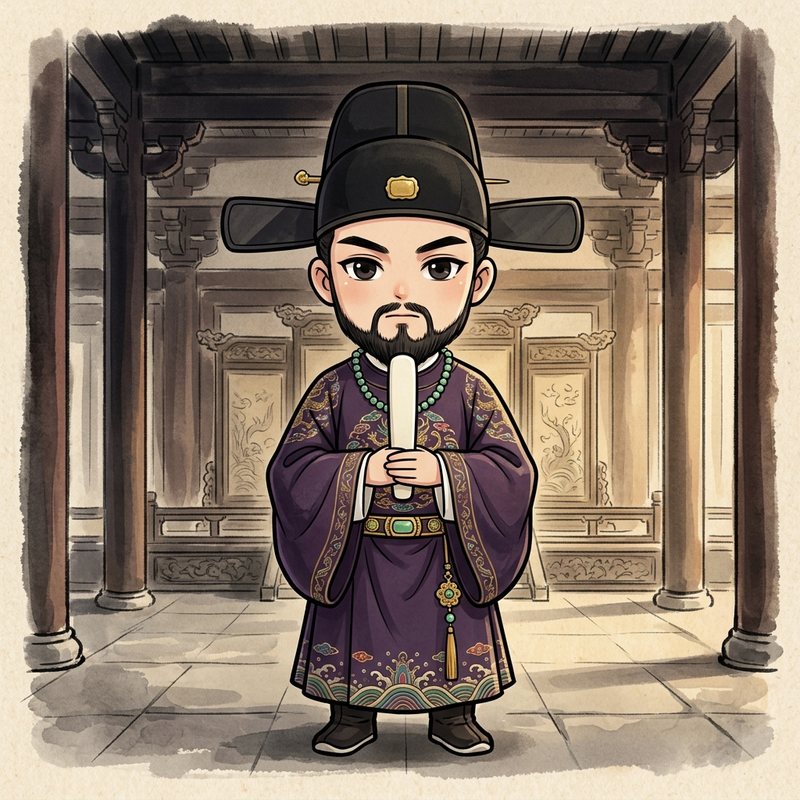
What happens when an artistic titan whose brushwork commands the gravitas of a cathedral also carries the unyielding moral spine of a martyr? That was Yan Zhenq...
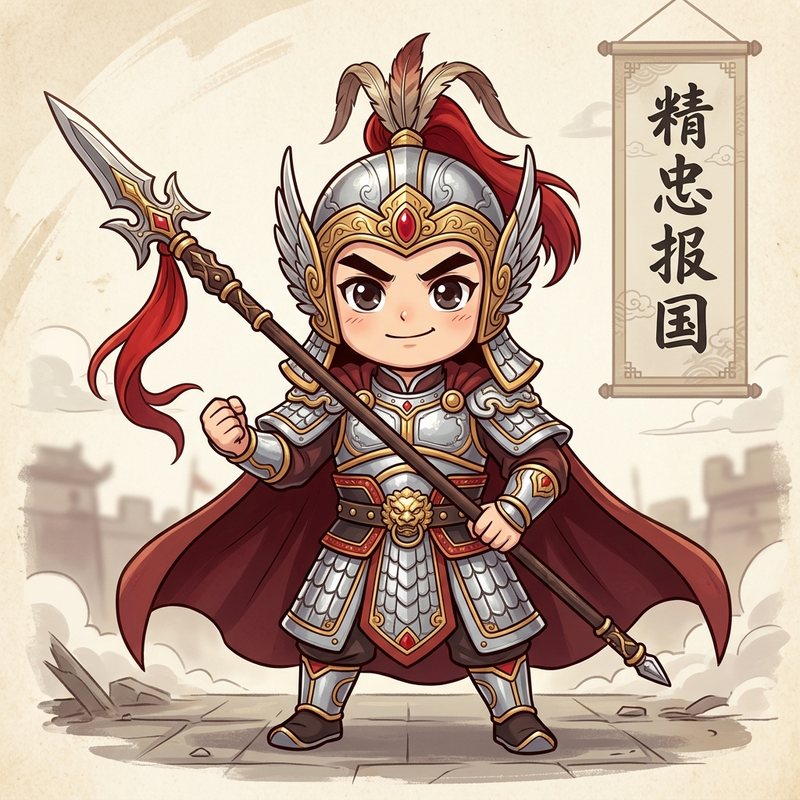
Yue Fei (1103–1142 AD) stands in Chinese collective memory as the ultimate martyr of unwavering patriotism—a legendary military commander whose undefeated 'Yue ...
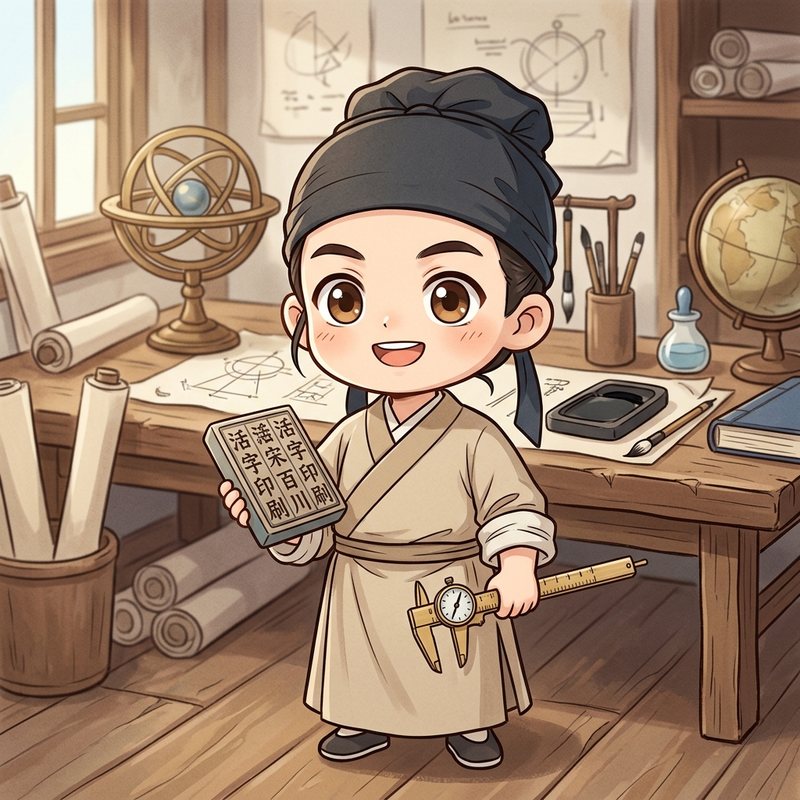
Look closely at China's most famous painting and a second, darker story emerges. Beneath the bustling taverns and river traffic of Along the River During the Qi...
Centuries before European masters celebrated the vitality of peasant life and market squares, a Chinese court artist unfurled a five-meter silk scroll that immo...
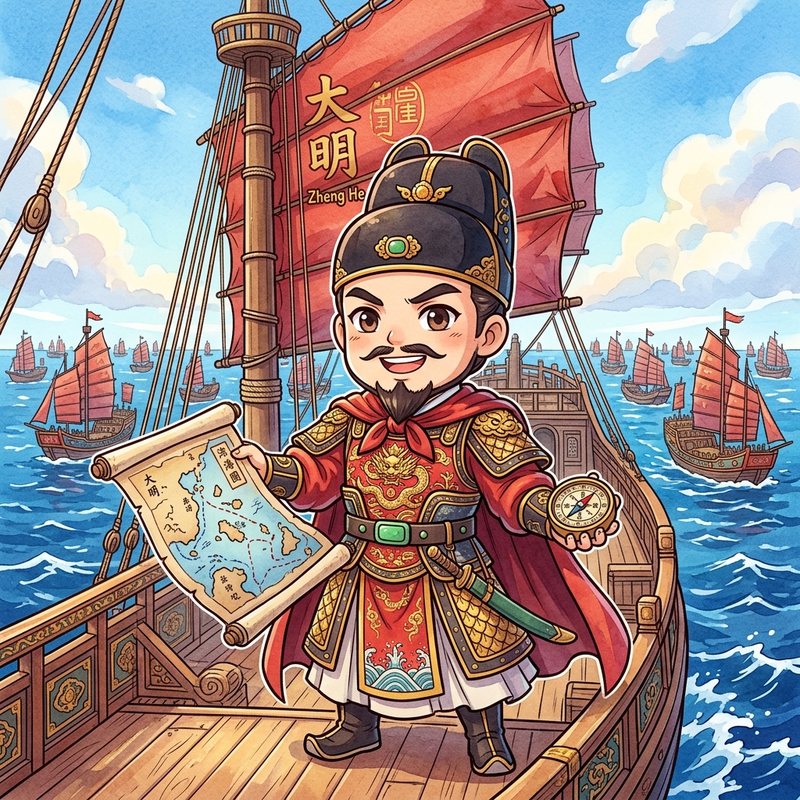
In 1492, Christopher Columbus crossed the Atlantic with three small caravels and 90 men. Eighty-seven years earlier, in 1405, Admiral Zheng He set sail from Chi...
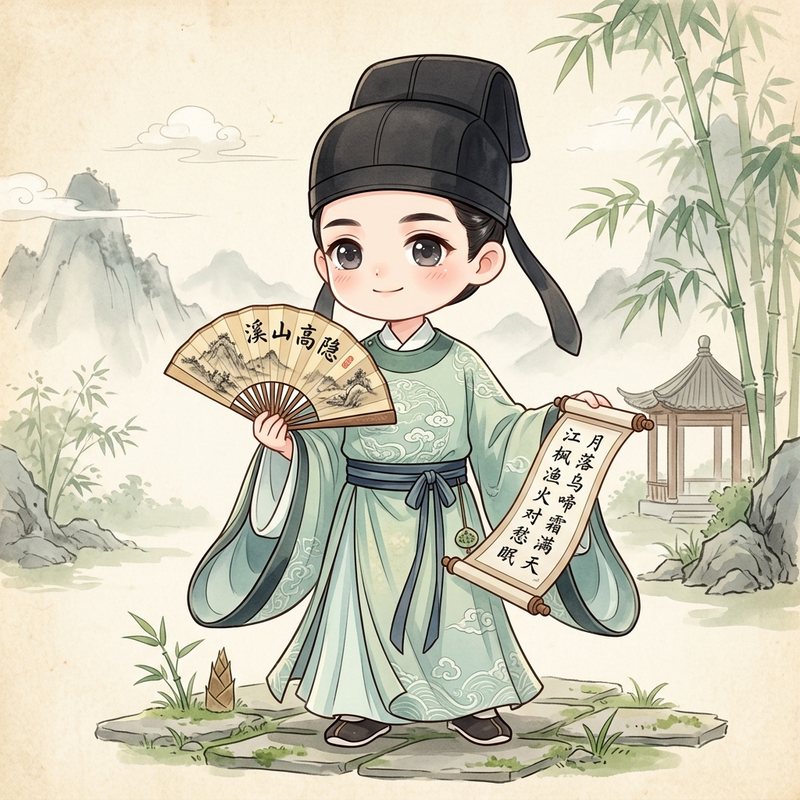
Imagine a humble provincial magistrate whose quiet contemplation unlocked the philosophical paradigm of imperial China for the next eight centuries. That was Zh...
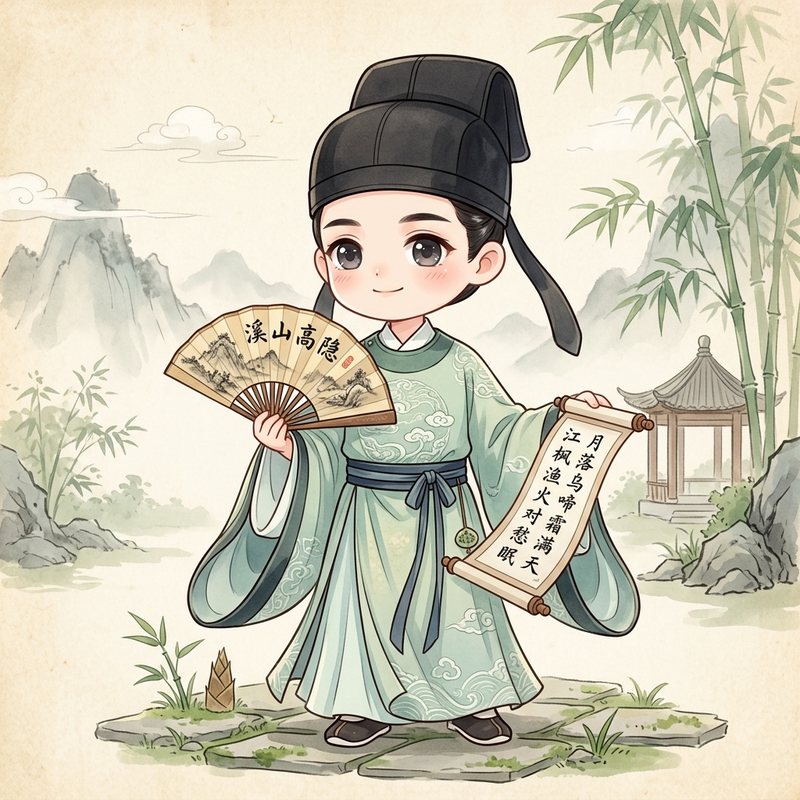
Who was Zhu Xi (1130–1200)? In the history of world philosophy, very few thinkers have exercised as monumental, enduring, and pervasive an intellectual influenc...
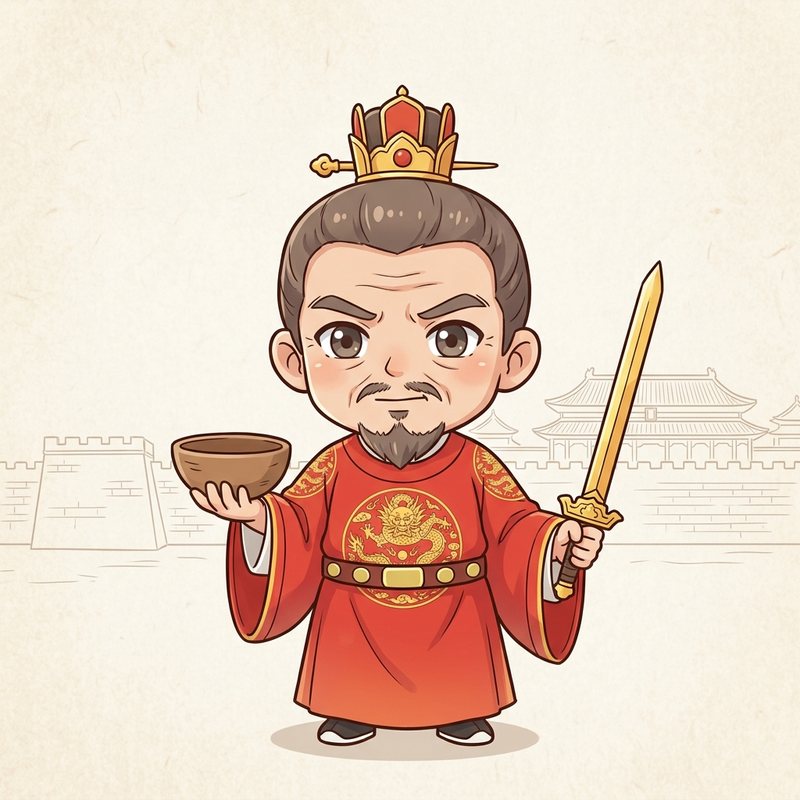
Zhu Yuanzhang (1328–1398), the Hongwu Emperor, traveled the longest social distance in imperial Chinese history: famine orphan and itinerant monk to rebel comma...
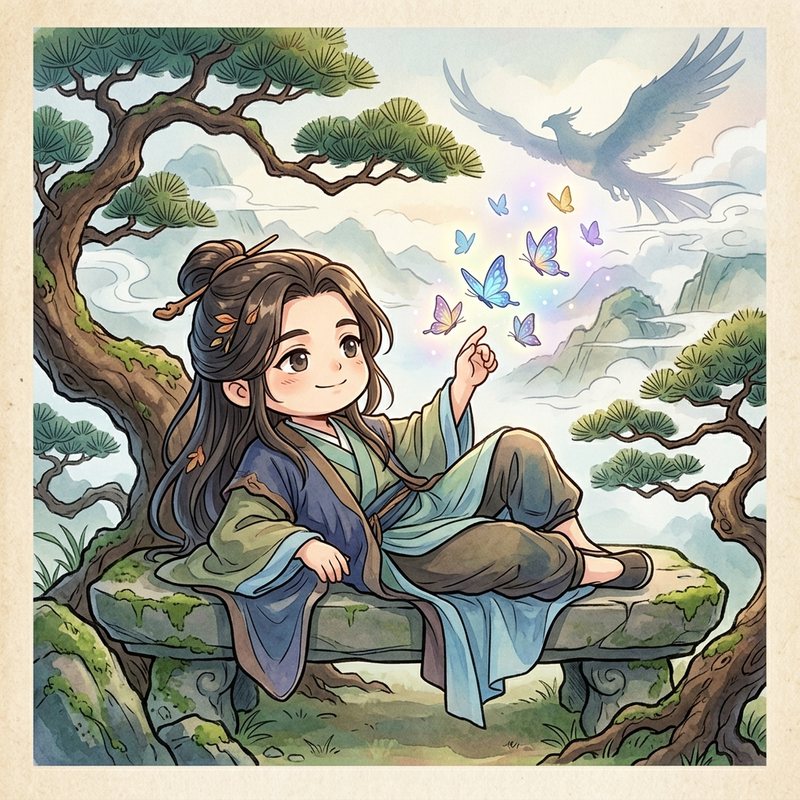
While Confucius sought social hierarchy and Mozi preached utilitarian labor, Zhuangzi (c. 369–286 BCE) blew through ancient Chinese philosophy like an untamed h...
Separated by five thousand miles and several centuries, the Roman Stoics and the ancient Chinese master Zhuangzi arrived at a strikingly similar conclusion: mos...
Zhuangzi (c. 369–286 BCE), also known as Chuang Tzu or Zhuang Zhou, was an eccentric genius of ancient China whose parables and radical skepticism shattered con...
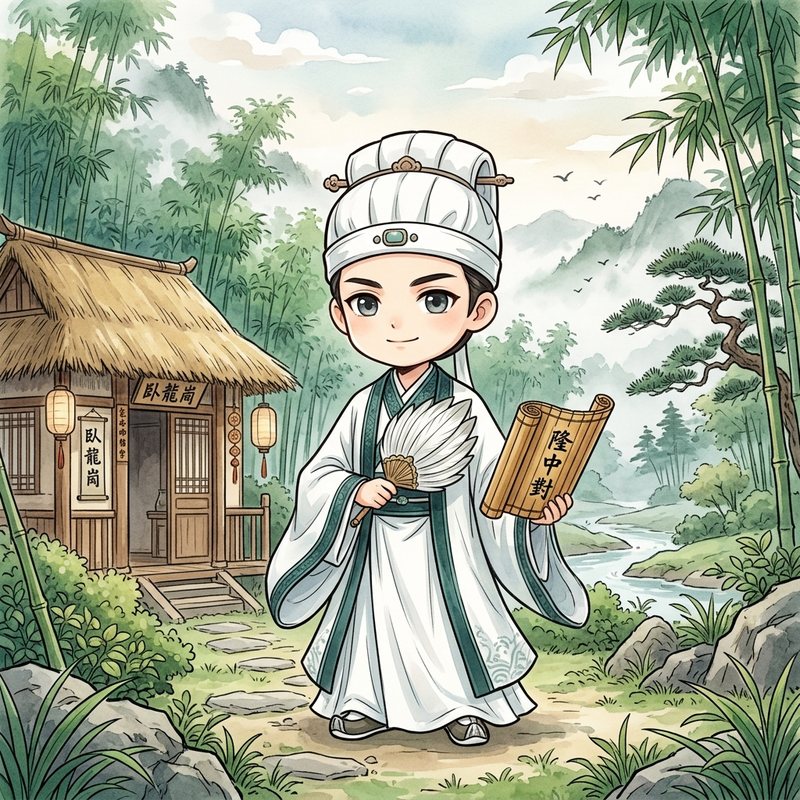
To millions across the globe who know him through video games (Dynasty Warriors, Total War: Three Kingdoms) or John Woo's cinematic epic Red Cliff, Zhuge Liang ...
In East Asian civilization, Zhuge Liang (181–234 CE), known by his courtesy name Kongming and title 'Crouching Dragon' (Wolong), is not merely a historical gene...
Read the biographies of China's greatest poets and a strange pattern emerges: they were almost all banished. Su Shi was exiled three times — to ever more remote...
Walk through their chronological footprints, poetry creation sites, and life turning points.