Who Was Bao Zheng? The Real 'Judge Bao' of Ancient China
The legendary magistrate of Kaifeng, incorruptible champion of the common folk, and immortal symbol of Chinese justice who defied imperial corruption
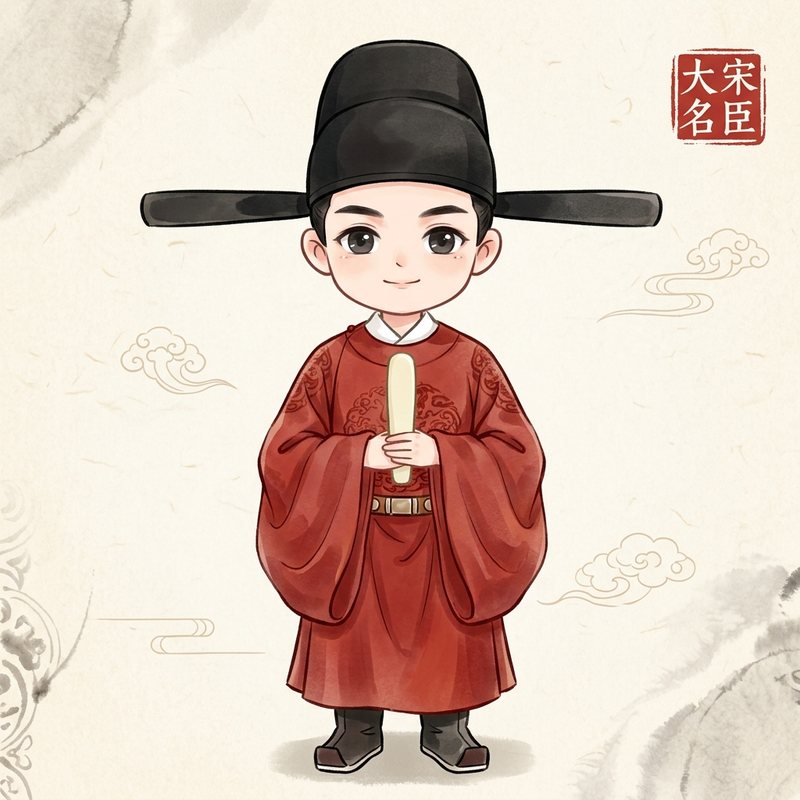
Bao Zheng (包拯 · Bāo Zhèng)
字希仁 · 谥号孝肃
The incorruptible magistrate of Kaifeng and eternal symbol of Chinese justice who defied princes, broke corrupt rings, and never took a single inkstone.
北宋开封名臣、铁面无私包青天;不持一砚归,开门纳百姓,华夏司法公正的永恒图腾。
- The Living Symbol of Justice: Revered for nearly a millennium as 'Bao Qingtian' (Clear-Sky Bao), he is Chinese history's definitive archetype of unbending judicial rectitude.
- The Chinese Sherlock Holmes: Pioneered psychological detective deduction in famous cases like the severed ox tongue in Tianchang, laying the historical foundation for the Asian courtroom crime genre.
- Fearless Defender of Law Against Privilege: Threw open Kaifeng's courthouse doors to common peasants and forced Emperor Renzong to retract nepotistic appointments through blistering court petitions.
- Uncompromising Anti-Corruption Legacy: Governed Duanzhou without pocketing a single inkstone and carved a stone stele disowning and exiling any descendant who engaged in political graft.
Phase 1: The Devoted Son of Luzhou (999–1037)
Bao Zheng was born on April 11, 999 CE, into a scholar-official household in Luzhou (modern Hefei, Anhui Province). His father, Bao Lingyi, had served in the Ministry of Justice, providing young Bao with a rigorous education steeped in classic Confucian statecraft and strict household discipline. Naturally solemn and intellectually sharp, Bao Zheng excelled in the classical curriculum and achieved the prestigious Jinshi degree in 1027 at the age of twenty-eight.
宋真宗咸平二年(999年)四月十一日,包拯出生于庐州合肥的一个耕读仕宦之家。其父包令仪曾任刑部侍郎,自幼对包拯施以严谨的儒家经世之学与忠孝门风熏陶。少时包拯端肃沉静,好学笃志,于天圣五年(1027年)考中进士甲科,时年二十八岁。
While high examination marks normally propelled ambitious scholars directly into profitable bureaucratic careers, Bao Zheng chose an extraordinary path. Appointed magistrate of Jianchang and later tax supervisor of Hezhou, he observed that his parents were aged and frail. Refusing to force them away from their native soil, he promptly resigned his commissions and spent a full decade living as an ascetic in rural Hefei, personally caring for his parents until their passing and observing solemn mourning by their tombs.
及第之后,包拯被朝廷除授大理评事、知建昌县,后改授和州监税。因双亲年老体衰不愿离乡,包拯毅然弃官还乡,侍奉二老达十年之久。父母相继下世后,包拯在墓旁筑庐守孝三年,悲痛徘徊不忍离去。在乡邻父老的再三敦促下,三十八岁的包拯才重新整饬行装赴京受命。
孝悌,为人之本;无孝于亲,安能忠于国?
Xiào tì, wéi rén zhī běn; wú xiào yú qīn, ān néng zhōng yú guó?
Filial piety and fraternal respect are the true foundation of character; if one cannot be devoted to one's own parents, how could one ever be faithful to the commonwealth?
Context · Recorded in the ancestral accounts of Bao Zheng, explaining his refusal to accept imperial office until his filial duties were completely fulfilled.
Phase 2: The Astute Detective & The Incorruptible Prefect (1037–1044)
In 1037 CE, thirty-eight-year-old Bao Zheng received his first administrative posting as magistrate of Tianchang County in modern Anhui. It was here that his brilliant judicial detective skills first shocked the region. When an aggrieved farmer rushed into court weeping that his plow ox's tongue had been severed overnight—a crippling economic strike in an agrarian empire where slaughtering working cattle was strictly illegal—Bao devised an ingenious psychological counter-ambush.
景祐四年(1037年),三十八岁的包拯出任天长县知县。任内发生了名垂青史的‘割牛舌案’:一农夫惶恐报官,称自家耕牛夜半被人残忍割去牛舌。在大宋农耕社会,私杀耕牛犯法,农夫束手无策。包拯洞悉仇隙作祟,平静安抚农夫:‘且归,杀而鬻其肉。’
Bao told the farmer to return home, slaughter the injured ox, and sell the beef at the market. The very next morning, a gleeful neighbor arrived at the county yamen to accuse the farmer of illegally slaughtering draft cattle. Slamming his gavel, Bao bellowed: 'Why did you cut the beast's tongue first, and now come forward to frame him?' Paralyzed by the magistrate's uncanny deduction, the schemer collapsed and confessed on the spot, marking the birth of Bao's detective legend.
次日清晨,果然有一刁民兴冲冲前来告发该农户私杀耕牛。包拯当堂厉声断喝:‘尔何为先割其牛舌,复来告其杀牛?’仇家骇异万分,当堂顿首伏罪。包拯微芒察奸、借力打力的神断智慧,震服全境,奠定了后世公案推理侦探文学的史实源头。
Promoted to governor of southern Duanzhou (modern Zhaoqing, Guangdong) in 1040, Bao confronted rampant official extortion. Duanzhou was famed for its world-class Duan inkstones, the prized treasures of scholars and kings. Previous governors routinely coerced local artisans to produce dozens of times the official imperial quota, pocketing the surplus to bribe courtiers in Kaifeng. Bao abolished the extortionate quotas immediately, drilled wells to provide clean drinking water, and departed after three years without taking a single inkstone home.
康定元年(1040年),包拯知端州。端州产天下名砚端砚,前任长官借贡赋之名巧取豪夺数十倍,用于私蓄行贿。包拯力革弊政,严令限额征收,绝不多取一方,更开凿七星水井造福岭南黎庶。任满三年去职之时,江风两袖,包拯未持一砚而归,并在府衙西壁题下了千古廉洁名篇《书端州郡斋壁》。
清心为治本,直道是身谋。秀干终成栋,精钢不作钩。
Qīng xīn wéi zhì běn, zhí dào shì shēn móu. Xiù gàn zhōng chéng dòng, jīng gāng bù zuò gōu.
A pure heart is the foundation of governance; the straight path is the strategy for oneself. A magnificent trunk will eventually become a pillar of state; refined steel is never bent into a crooked hook.
Context · Written by Bao Zheng on the office wall of Duanzhou Prefecture around 1040–1043 CE. His sole surviving poem, embodying his lifelong refusal to bend his moral compass.
Phase 3: The Fearless Censor & Court Showdowns (1044–1056)
Recalled to the capital in 1044 as an imperial investigating censor, Bao Zheng was dispatched on a perilous diplomatic embassy to the Khitan Liao Empire in 1045. When Liao officials aggressively claimed that Song border watchtowers and water defense networks breached bilateral treaties, Bao deployed precise geographical mapping and treaty documentation, rebutting the northern superpower and securing the frontier without conceding an inch of sovereign soil.
庆历五年(1045年),包拯入京任监察御史里行,旋即奉旨出使契丹辽国。面对辽人借边境斥候与塘泺设防百般挑衅,包拯引经据典、折冲樽俎,以缜密文书与铁血外交驳得辽使无言以对。归国后上呈边防长策,极言充实防备、整饬冗兵。
Promoted to Chief Remonstrator (Zhi Jian Yuan) in 1050, Bao Zheng became the scourge of court sycophants. Emperor Renzong, infatuated with his favorite Concubine Zhang, sought to elevate her mediocre uncle Zhang Yaocheng to four high ministries simultaneously. Bao led remonstrators directly before the throne. Approaching inches from the emperor's face, Bao argued so vehemently against nepotistic corruption that spittle flew onto Renzong's imperial robes! Frustrated, the emperor stormed away but conceded, canceling the appointment. In the same year, Bao impeached the cruel and rapacious minister Wang Kui seven consecutive times until he was removed.
皇祐二年(1050年),包拯知谏院。宋仁宗过分宠溺张贵妃,欲擢升其平庸伯父张尧佐兼领四大要职。包拯挺身直谏,于崇政殿前据理力争,辞气慷慨激昂,唾沫星子溅到了仁宗龙颜之上。仁宗拂袖回宫,终慑于包拯正义与民心所向,收回成命。同年包拯更‘七弹王逵’,将横征暴敛的酷吏彻底拉下马,‘包弹’之威震慑朝野。
Assigned as governor of his native Luzhou in 1053, Bao showed that justice knew no kinship. When his own maternal uncle leveraged Bao's authority to seize local lands and terrorize villagers, Bao summoned him to the public magistrate's hall. Refusing all private entreaties, Bao ordered the municipal bailiffs to cane his uncle with full force in open court. The spectacle of strict legal equality stunned the city, ensuring that no clan member ever dared trade on his name again.
皇祐五年(1053年),包拯回任故乡庐州知府。亲生舅父依仗外甥权势横行乡里、侵占民田。包拯升堂坐镇,断然拒绝亲族说情,于大堂之上秉公执法、当堂杖责亲舅父!全城士民肃然起敬,宗族豪强敛手遵法,传为‘法不阿贵、大义灭亲’之千古美谈。
治乱之原,系于法度;廉者,民之表也;贪者,民之贼也。
Zhì luàn zhī yuán, xì yú fǎdù; lián zhě, mín zhī biǎo yě; tān zhě, mín zhī zéi yě.
The source of peace and turmoil lies in the rule of law. The incorruptible official is the role model for the people; the corrupt official is the thief of the people.
Context · From Bao Zheng's famous imperial memorial requesting a lifetime ban on corrupt officials, submitted in 1052.
Phase 4: The Legend of Kaifeng & Modern Statesmanship (1056–1062)
In March 1057 CE, Bao Zheng assumed the most demanding municipal post in the Song Empire: Prefect of Kaifeng. For decades, imperial capital yamens had been crippled by corrupt clerks who demanded extortionate bribes just to forward citizens' petitions. Bao demolished this barrier in one historic move: he ordered the grand front gates of the Kaifeng Yamen thrown wide open, allowing ordinary citizens to walk directly into the hall and present their grievances to him without middleman graft.
嘉祐二年(1057年)三月,五十八岁的包拯权知开封府。针对京师胥吏盘剥、门禁重重、小民有冤难申的积弊,包拯大破潜规则,下令大开开封府正门,命百姓径至公堂庭下自述冤情,使差吏无所容其奸。
When the Huimin River flooded Kaifeng because powerful aristocrats, imperial relatives, and royal eunuchs had illegally built enclosed pleasure gardens and dikes over the waterway, Bao ordered every single illegal estate demolished immediately, refusing all bribes and aristocratic threats. The flood receded, and grateful residents coined the immortal proverb: 'Bribery cannot pass; for there stands Old Bao, the Living King of Justice!' (关节不到,有阎罗包老).
时值京师大雨积潦,惠民河水患漫溢,因王公贵戚宦官侵占河道擅建私家水榭园囿,堵塞泄洪。包拯毫不避忌权贵,下令尽数拆毁所有违建建筑,疏通河道保全京师生民。全城百姓欢呼传唱:‘关节不到,有阎罗包老!’
In his final years, Bao served as Minister of State Finance (Sansi Shi), where he championed peasants by dismantling predatory grain monopolies and forgiving crushing tax arrears, and subsequently as Privy Councillor. Sensing his mortality in 1062, he carved a terrifying family commandment onto the stone wall of his ancestral home: any descendant who engaged in political corruption was formally disowned and denied burial in the family cemetery. He died on July 3, 1062, mourned by the entire empire and posthumously honored as 'Xiaosu'.
晚年的包拯拜权三司使统掌全国财赋,力革市易弊政、罢抑配之苦、豁免积欠,以经世之才裕民利国;旋进枢密副使。嘉祐七年,包公感念风烛,于合肥东堂刻石立下铁血家训:后代子孙仕宦犯赃滥者,生不得归家,死不得葬于大墓!同年五月,包公于开封任上逝世,宋仁宗追赠礼部尚书,谥号‘孝肃’,华夏千古青天化作永恒传奇。
后世子孙仕宦,有犯赃滥者,不得放归本家;亡殁之后,不得葬于大墓。不从吾志,非吾子孙。
Hòushì zǐsūn shìhuàn, yǒu fàn zānglàn zhě, bùdé fàngguī běnjiā; wángmò zhīhòu, bùdé zàng yú dàmù. Bù cóng wú zhì, fēi wú zǐsūn.
If any descendant who serves in official office commits corruption, they shall not be permitted to return to the family home; upon their death, they shall not be buried in our ancestral tomb. Those who do not follow my will are no descendants of mine.
Context · Bao Zheng's immortal Family Precept carved into stone on the eastern wall of his hall in 1062, establishing the ultimate moral standard for his lineage.
| Perspective 视角 | Bao Zheng (The Confucian Magistrate) | Sherlock Holmes (The Baker Street Sleuth) |
|---|---|---|
| Deductive Methodology | Pioneered forensic observation and criminal psychology (e.g. the severed ox tongue), analyzing human nature and motives under statutory evidence. | Employed rigorous Victorian scientific deduction, tracing tobacco ash, footsteps, and microscopic forensic clues. |
| Institutional Power & Status | Held sovereign legal authority as magistrate, imperial censor, and mayor of the imperial capital of Kaifeng. | Operated as a private consulting detective outside state institutions, assisting Scotland Yard when official investigations failed. |
| Confronting Corrupt Elites | Fearlessly impeached royal favorites, destroyed illegal palaces of imperial kin, and cane-beaten his own corrupt maternal uncle. | Outwitted masterminds, aristocrats, and international blackmailers across Victorian London, resisting high-society intimidation. |
| Enduring Cultural Mythos | Venerated across Asia as 'Judge Bao' / 'Bao Qingtian' in opera and folklore; worshipped as a living deity of pure judicial justice. | Celebrated worldwide as the supreme archetype of rational detective fiction, inspiring thousands of modern adaptations. |
Trace Bao Zheng's Footsteps on the Interactive Topographic Map
Follow his actual historical trail across 10 imperial stations—from his humble thatched hut in Luzhou and early detective cases in Tianchang to the stormy courtroom of Kaifeng.
Launch Interactive Journey MapFrequently Asked Questions (FAQ)
Was Bao Zheng actually black-faced with a crescent moon on his forehead?
Historically, no. Surviving Song Dynasty court portraits depict Bao Zheng as a fair-skinned scholar with dignified, gentle features. The pitch-black face and forehead crescent moon were theatrical inventions of Yuan and Ming Dynasty operas, symbolically representing unbribable moral purity, iron-willed severity, and the mystical ability to discern hidden truths.
Why is Bao Zheng called 'The Sherlock Holmes of Ancient China'?
Bao Zheng earned this title through brilliant deductive feats, most famously the severed ox tongue case in Tianchang. By analyzing criminal psychology and setting reverse traps, he solved baffling crimes without torture. His courtroom exploits established the entire Chinese gong'an (courtroom detective) literary genre centuries before Western detective fiction emerged.
What happened during Bao Zheng's famous term as Prefect of Kaifeng?
Serving as mayor of the imperial capital between 1057 and 1058, Bao Zheng abolished bureaucratic gate fees, opening the courthouse doors directly to common citizens. He also ordered the demolition of lavish riverside villas owned by royal aristocrats to relieve catastrophic urban flooding, cementing his legendary reputation as 'Bao Qingtian'.
What was Bao Zheng's relationship with Emperor Renzong of Song?
Bao Zheng shared a fiercely honest relationship with Emperor Renzong. While deeply loyal, Bao never hesitated to confront the emperor, once arguing so passionately against nepotism for the emperor's favorite in-law that his spittle landed on Renzong's face. Renzong respected Bao's moral courage and frequently acceded to his demands.
What is the famous 'Bao Family Precept' (Bao Zheng Jiaxun)?
Shortly before his death in 1062, Bao Zheng had a solemn warning carved into a stone tablet in his family residence. It decreed that any descendant who engaged in political corruption would be permanently expelled from the family home and denied burial in the ancestral graveyard, forging China's strictest anti-graft code.
What does the proverb 'Bribery cannot enter; there is King Yama, Old Bao' mean?
Originating as a popular street ballad in Northern Song Kaifeng, this saying meant that while corrupt gatekeepers could often be bribed elsewhere, no crooked influence could ever sway Bao Zheng. Citizens compared him to King Yama, ruler of the underworld, whose absolute impartiality judged every soul without favoritism.
Walk with Bao Zheng Across China
随包拯漫步华夏河山 · 亲历命运逆境与精神涅槃