Who Was Zhang Zeduan? Painter of Along the River Scroll
Who Was Zhang Zeduan? Painter of Along the River Scroll
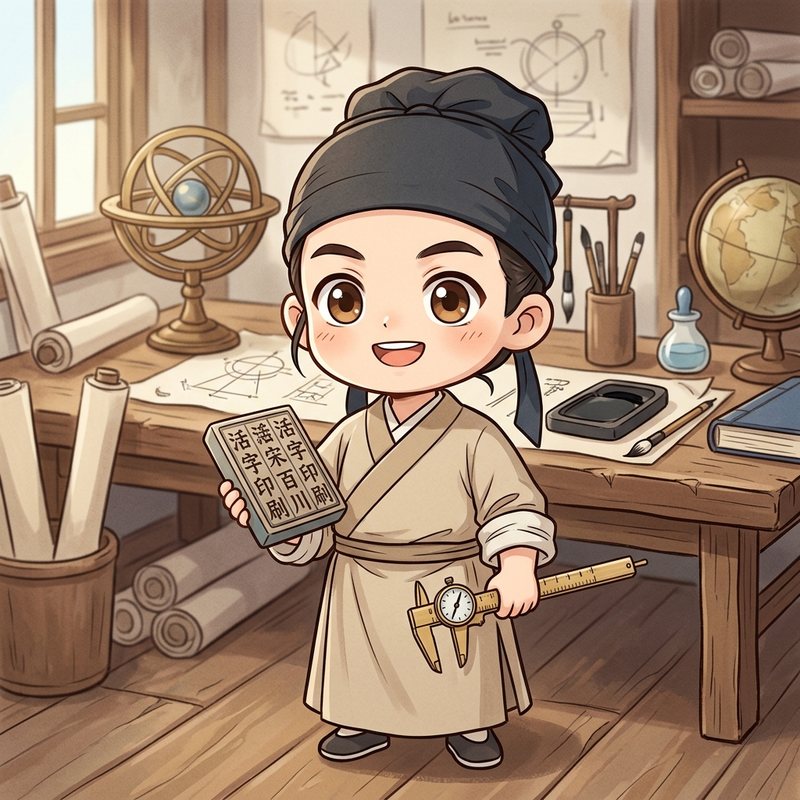
Zhang Zeduan (张择端 · Zhāng Zéduān)
字正道 · 琅琊东武人
The Bruegel of Imperial China: master of architectural realism whose five-meter scroll captured the living heartbeat of Song Dynasty Kaifeng.
北宋风俗画圣与界画大宗师;以五米长卷《清明上河图》定格汴京繁华市井与众生百态,成为华夏视觉艺术不朽丰碑。
- The Bruegel of Imperial China: Elevated ordinary street peddlers, dockworkers, tavern keepers, and camel caravans into high art four centuries before Pieter Bruegel the Elder.
- Supreme Master of Jiehua: Perfected traditional Chinese ruled-line boundary painting with millimeter-accurate perspective, capturing complex timber arch bridges and river barges.
- Xuanhe Academy Virtuoso: Served as a painter-in-attendance under Emperor Huizong, who personally inscribed the scroll with his legendary Slender Gold calligraphy and imperial double-dragon seal.
- Immortal Cultural Capsule: Completed just before the catastrophic 1127 Jingkang Incident, his scroll preserved the golden soul of Northern Song urban civilization for eight hundred years.
Phase 1: Classical Upbringing in Dongwu & The Journey to Bianjing (1085–1104)
Zhang Zeduan was born around 1085 CE in Dongwu of Langya Commandery (modern Zhucheng, Shandong Province). Growing up in a region deeply steeped in Confucian heritage, young Zhang devoted his early years to studying historical texts and Confucian philosophy with aspirations to pass the imperial civil service examinations.
约公元1085年,张择端出生于琅琊东武(今山东省诸城市)的书香门第。齐鲁大地深厚的儒家文脉滋养了他的童年,他自幼刻苦攻读经史典籍,立志如寻常士子一般通过科举考试入仕匡时。
Around 1104 CE, at the age of twenty, Zhang journeyed west to the Northern Song capital of Bianjing (modern Kaifeng, Henan Province) to attend the imperial colleges. Stepping into what was then the world's most populous and commercially sophisticated metropolis, the young student was mesmerized by multi-story wine restaurants, night markets that never slept, and the endless fleets of grain barges coursing through the Bian Canal.
约公元1104年,弱冠之年的张择端负笈西行,远赴北宋都城汴京(今河南开封)游学应试。迈入这座当时全球人口超过百万的极盛都会,年轻的士子被繁华热闹的御街、通宵达旦的夜市以及千帆相拥的汴河漕运深深震撼,传统的书斋生活在他眼前被辽阔的市井天地彻底取代。
九街绿树衔春色,万户红楼照晚霞。
Jiǔ jiē lǜ shù xián chūn sè, wàn hù hóng lóu zhào wǎn xiá.
Green trees along the nine great avenues hold the hues of spring; crimson pavilions across ten thousand households glow in the evening twilight.
Context · Reflecting the dazzling metropolitan splendor of Bianjing that greeted provincial scholars arriving in the Northern Song capital.
Phase 2: Turning to Painting & Mastering Ruled-Line Precision (1108–1113)
Recognizing that the rigid bureaucracy of imperial examinations did not align with his observational genius, Zhang Zeduan made a radical choice recorded in history as 'hou xi hui shi'—turning deliberately to the art of painting. Rather than following the mainstream literati trend of painting misty, ethereal landscapes detached from human reality, he immersed himself in the bustling canal docks and marketplace bridges.
面对科举试场的教条与官场倾轧,张择端敏锐地意识到自己的真正天赋在于洞察众生。他毅然做出了‘后习绘事’的人生抉择,投身绘画艺术。他没有附庸文人阶层遗世独立的清高山水,而是背起画板走入汴河码头与街头巷尾,将画笔对准最质朴的人间烟火。
He chose to specialize in Jiehua (ruled-line boundary painting), a technically demanding discipline that utilized specialized rulers and compasses to depict architecture, carts, watercraft, and bridges with mathematical precision. His brush captured every detail: interlocking timber brackets, tensioned ropes on towing lines, and the intricate gear systems of Song Dynasty river vessels.
他专攻以高难度著称的‘界画’(以尺引笔的工笔透视建筑画)。无论是飞檐斗拱的酒楼彩门,还是巨型漕船的榫卯绞盘与拉纤挽绳,张择端都以极尽严密的力学与结构透视予以还原,开创了独树一帜的写实画风。
本工其界画,尤嗜于舟车、市桥郭径,别成家数也。
Běn gōng qí jiè huà, yóu shì yú zhōu chē, shì qiáo guō jìng, bié chéng jiā shù yě.
He was fundamentally skilled in ruled-line boundary painting, with an extraordinary fondness for boats, carts, market bridges, city walls, and streets, forming a distinguished school entirely his own.
Context · The definitive historical evaluation written by Jin Dynasty scholar Zhang Zhu in 1186, explaining Zhang Zeduan's revolutionary artistic focus.
Phase 3: The Xuanhe Painting Academy & Dragon Boat Regattas (1113–1118)
Zhang's unmatched technical mastery caught the attention of court connoisseurs. Around 1113 CE, he gained admittance to the prestigious Hanlin Painting Academy during the reign of Emperor Huizong, receiving the official title of Daizhao (Painter-in-Attendance). Huizong was an obsessive collector, master calligrapher, and demanding patron who established rigorous entrance examinations evaluating anatomical and botanical accuracy.
张择端超凡脱俗的技艺很快惊动了朝野。约公元1113年,他通过严格考核考入翰林图画院(宣和画院),受封画院待诏。宋徽宗赵佶是中国历史上艺术素养最高的帝王之一,他对画院画师的观察精度与构图意境有着极高要求,这为张择端提供了最顶级的创作支持与皇家藏品资源。
During this period, Zhang created Dragon Boat Regatta on Jinming Lake (West Lake Regatta). The painting captured the imperial pleasure gardens west of Bianjing during the spring festival, where thousands of spectators cheered as ornate dragon boats contested for prizes in front of the Baojin Pavilion. The work was universally praised in contemporary records as Shenpin ('Divine Grade').
在画院任职期间,张择端奉命绘制了传世名作《西湖争标图》(即《金明池争标图》)。画面精密再现了汴京城西金明池三月开放时的皇家游宴盛况,飞龙舟斩波争标,临水殿彩旗猎猎,两岸百姓万头攒动。北宋向氏《评论图画记》将其盛赞为无可挑剔的‘神品’。
Phase 4: The Monumental Scroll Along the River During the Qingming Festival (1124)
After years of meticulous field sketching and composition, Zhang Zeduan presented his magnum opus to Emperor Huizong around 1124 CE: Along the River During the Qingming Festival (Qingming Shanghe Tu). Painted in ink and delicate mineral pigments on silk, the scroll measures 24.8 centimeters in height and extends 528.7 centimeters in length.
经过长年累月的实地写生与构图沉淀,约公元1124年,张择端向宋徽宗呈献了他倾注毕生心血的长卷巨制——《清明上河图》。全卷高24.8厘米,长达528.7厘米,以绢本设色的典雅笔调展开了一幅长达五米余的北宋都会全景史诗。
The composition moves seamlessly from tranquil rural outskirts where farmers tend willows, along the bustling Bian River where grain freighters maneuver near the famous timber Rainbow Bridge, through the towering city gate, and into the roaring urban center dominated by the Sun Family Grand Tavern. More than 814 distinct human figures—each engaged in specific trade, conversation, or labor—inhabit the scroll alongside 28 ships, 60 domestic animals, and dozens of wheeled carts.
整幅长卷布局浑然天成:从城郊宁静的农舍踏青起步,沿汴河行至全画高潮——木构拱形虹桥下漕船惊险降桅穿行,再穿过巍峨的城门,进入招牌林立的市区。孙羊正店的多层欢门、赵太丞医馆的药幡、算命铺与西域驼队错落有致,814位形态各异的人物神采飞扬,堪称世界视觉艺术史上的无上奇迹。
通衢车马正喧阗,祗是宣和第几年。当日翰林呈画本,升平风物正堪传。
Tōng qú chē mǎ zhèng xuān tián, zhī shì Xuān hé dì jǐ nián. Dāng rì hàn lín chéng huà běn, shēng píng fēng wù zhèng kān chuán.
Upon broad avenues carriages thunder; yet which year of the Xuanhe reign was this? On that day the Hanlin master presented his painting, capturing the winds and customs of peace worthy of eternal transmission.
Context · Written by Jin Dynasty scholar Zhang Gongyao, recalling the unforgettable moment Zhang Zeduan unveiled the scroll before the Song imperial court.
Phase 5: The Cataclysm of 1127, Wandering, and Eternal Immortality (1127–1145)
The peace captured on silk was tragically fleeting. In 1127 CE, Jurchen Jin armies breached Kaifeng's fortifications in the catastrophic Jingkang Incident. Emperor Huizong and his court were abducted into northern captivity; palaces were pillaged, libraries incinerated, and imperial art collections looted. Zhang Zeduan witnessed the horrifying destruction of the golden city he had spent decades immortalizing.
然而绢帛上的繁华梦境转瞬即逝。公元1127年,金兵攻破汴京城门,北宋王朝在‘靖康之难’中轰然覆灭。二帝被俘北迁,东京城惨遭浩劫,画院四散飘零。张择端在战火硝烟中亲眼目睹自己笔下千帆竞发的汴河化作焦土,市井繁华在马蹄践踏下灰飞烟灭。
Displaced from the imperial court and refusing to compromise his integrity, the aging painter lived out his remaining years among commoners in the Central Plains and his native Shandong, selling sketches to survive until his passing around 1145 CE. Decades later, Jin scholar Zhang Zhu rediscovered the surviving scroll in Yanshan (modern Beijing) and composed the 1186 colophon that rescued Zhang Zeduan's name from obscurity. Empires collapsed, but Zhang Zeduan's painting preserved the living soul of Chinese civilization forever.
国破之后,年过半百的张择端流落民间,颠沛于齐鲁故土与中原市镇,隐姓埋名以卖画为生,于约1145年安详辞世。数十载后(1186年),金代学者张著在燕山偶得此卷并写下考证题跋,使张择端的名字永载青史。王朝会覆灭,宫阙会化作泥土,但张择端用毛笔定格的盛世温情,却在华夏精神长河中历久弥新。
繁华梦断两桥空,唯有悠悠汴水东。
Fán huá mèng duàn liǎng qiáo kōng, wéi yǒu yōu yōu Biàn shuǐ dōng.
The golden dream shattered, both ends of the bridge now vacant; only the sorrowful waters of the Bian River flow endlessly eastward.
Context · Jin Dynasty scholar Zhang Shiji's poignant reflection on the immortal contrast between fallen dynasties and the eternal life preserved within Zhang's scroll.
| Perspective 视角 | Zhang Zeduan (Song Dynasty) | Pieter Bruegel the Elder (Northern Renaissance) |
|---|---|---|
| Core Subject Matter | Teeming metropolitan streetscapes, river logistics, architecture, and over 800 citizens spanning all social classes in 12th-century Kaifeng. | Vibrant peasant weddings, rural festivities, seasonal labor, and village proverbs in 16th-century Flanders. |
| Perspective & Technical Precision | Pioneered architectural ruled-line painting (Jiehua) with dynamic multi-point isometric perspective along a 5-meter handscroll. | Pioneered high-horizon panoramic landscapes with atmospheric oil glazes and dynamic compositional triangles. |
| Philosophical Resonance | Celebrated commoner vitality while quietly embedding subtle warnings of administrative decay before imperial ruin. | Satirized human folly and religious hypocrisy through earthy, unvarnished human comedies. |
| Historical Legacy | Regarded as China's supreme national treasure and the foundational pinnacle of East Asian urban realism. | Celebrated as the founding giant of Flemish genre painting and a towering pillar of Western humanist art. |
Trace Zhang Zeduan's Footsteps on the Interactive Topographic Map
Follow his actual historical trail across 9 imperial stations—from early studies in Dongwu to the bustling waterfront of Bianjing and the Xuanhe Painting Academy.
Launch Interactive Journey MapFrequently Asked Questions (FAQ)
What is Along the River During the Qingming Festival and why is it so famous?
Along the River During the Qingming Festival (清明上河图) is a 5.28-meter handscroll painted by Zhang Zeduan in the 1120s. Often hailed as 'China's Mona Lisa,' it provides an unparalleled photographic-level panoramic record of urban life, commerce, and engineering in the Northern Song capital Kaifeng right before its fall in 1127.
Who was Emperor Huizong's relationship with Zhang Zeduan?
Emperor Huizong of Song was an avid painter, calligrapher, and royal patron who established the imperial Xuanhe Painting Academy. Recognizing Zhang Zeduan's supreme draftsmanship, Huizong appointed him as a painter-in-attendance and personally inscribed Along the River During the Qingming Festival in his renowned Slender Gold script.
What does the technique 'Jiehua' (Ruled-Line Painting) mean in Chinese art?
Jiehua (界画) refers to the traditional Chinese painting technique where artists use specialized rulers, straightedges, and fine brushes to depict complex architectural structures, palaces, bridges, and ships with exact mechanical accuracy. Zhang Zeduan elevated this engineering craft into a breathtaking vehicle of high aesthetic realism.
How did Along the River During the Qingming Festival survive the fall of Northern Song?
When Jurchen invaders sacked Kaifeng in 1127, the scroll was plundered and passed through private collectors in northern China. In 1186, Jin Dynasty scholar Zhang Zhu discovered it in Yanshan (modern Beijing) and recorded the first biographical colophon. The painting survived centuries of dynastic wars before entering the Palace Museum in Beijing.
Why is Zhang Zeduan compared to Flemish master Pieter Bruegel the Elder?
Both artists broke away from aristocratic and mythological traditions to celebrate everyday human life with panoramic encyclopedic detail. While Bruegel recorded the lively humor of Flemish villagers, Zhang Zeduan captured the vibrant commercial pulse of medieval Kaifeng four centuries earlier, making them kindred spirits across world art history.
Walk with Zhang Zeduan Across China
随张择端漫步华夏河山 · 亲历命运逆境与精神涅槃