Who Was Princess Wencheng? Tang Peace-Weaver of Tibet
Who Was Princess Wencheng? Tang Peace-Weaver of Tibet
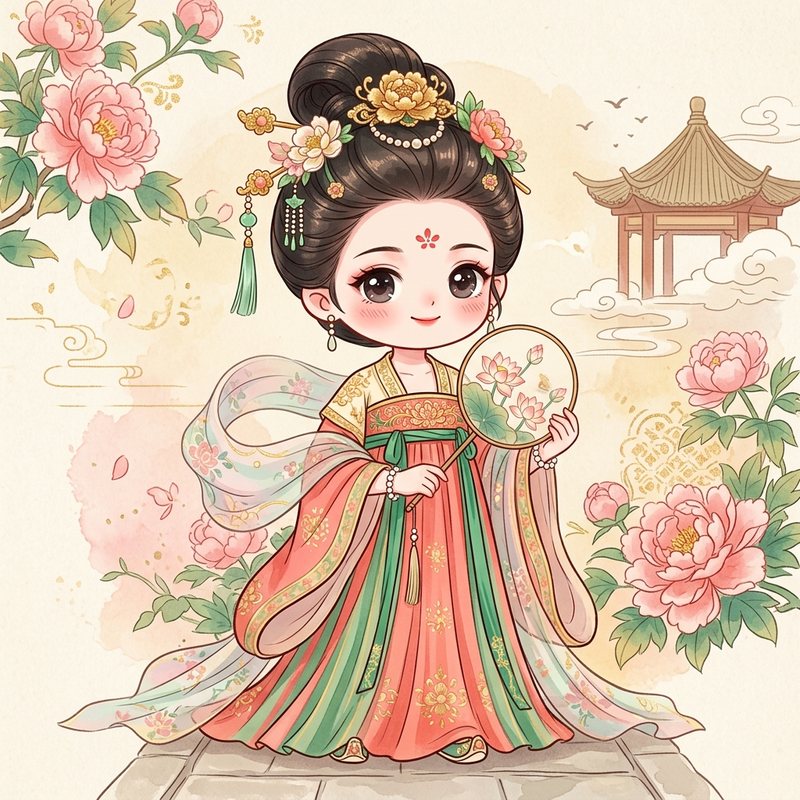
Princess Wencheng (文成公主 · Wénchéng Gōngzhǔ)
吐蕃尊称甲木萨 · 汉妃神女 · 藏传佛教白度母化身
The Royal Peace-Weaver of Tibet: she crossed the snowbound plateau to forge an immortal bridge of peace, introducing agriculture, medicine, and Buddhism across forty devoted years.
唐蕃古道上的和平使者,以坚毅跨越万里风雪,开创汉藏文明交融的金桥;入蕃四十年传授农桑医术、建大昭寺,雪域尊奉为白度母。
- The Royal Peace-Weaver: Wed King Songtsen Gampo in 641 CE to cement Tang-Tibetan peace, ending frontier conflicts and initiating four decades of bilateral cooperation.
- Civilizational Catalyst: Brought a treasure-house dowry of agricultural seeds, medical treatises, weaving looms, astronomy texts, and skilled craftsmen that modernized Tibetan society.
- Sacred Buddhist Patroness: Enshrined the revered Jowo Shakyamuni statue, mapped geomantic sites across Tibet, and inspired the foundation of Lhasa's legendary Jokhang and Ramoche temples.
- Enduring Divine Legacy: Stayed thirty years in Tibet after King Songtsen Gampo's early death, honored by generations of Tibetans as the compassionate White Tara.
Phase 1: Royal Upbringing and the Chang'an Betrothal (623–640)
Princess Wencheng was born around 623 CE into a prestigious branch of the Li imperial clan in Chang'an (modern Xi'an, Shaanxi Province). Reared within the refined atmosphere of the early Tang court, she received an elite education encompassing Confucian classics, poetry, agricultural sciences, traditional medicine, and silk manufacturing.
文成公主约于公元623年出生于大唐宗室之家。在长安优渥从容的宫廷环境中,她不仅精熟诗书礼乐,更通晓天文历算、农田水利、桑蚕织染与草本医药,成长为一位见识高远的名门闺秀。
In 640 CE, the ambitious King Songtsen Gampo of Tibet dispatched his brilliant prime minister, Gar Tongtsen Yulsung (known in Chinese records as Lu Dongzan), to Chang'an with five thousand ounces of gold and dazzling treasures to request an imperial bride. Tang Emperor Taizong, recognizing the strategic wisdom of peace on his western flank, formally bestowed the title of Princess Wencheng upon the young noblewoman.
贞观十四年(640年),吐蕃赞普松赞干布遣大相禄东赞携黄金五千两及奇珍异宝入长安请婚。唐太宗审时度势,洞察汉藏睦邻之深远意义,郑重册封宗室女为‘文成公主’。公主深明大义,慨然接旨,誓将和平与文明播撒于高原。
舅甥和好,社稷如一。
Jiù shēng hé hǎo, shè jì rú yī.
Maternal uncle and royal nephew bound in harmonious fellowship, their sovereign states united as one harmonious commonwealth.
Context · Inscribed on the historic Tang-Tibet Alliance Tablet standing before the Jokhang Temple in Lhasa, celebrating the kinship initiated by Princess Wencheng's royal union.
Phase 2: The Epic Trek Across Mount Chiling and Lake Baihai (641)
In the first month of 641 CE, Prince Li Daozong of Jiangxia was commissioned with imperial tallies to escort Princess Wencheng west. At the desolate pass of Mount Chiling (modern Mount Riyue in Qinghai), the princess stood on the continental divide gazing eastward toward home. Tradition holds that she deliberately shattered the magic Sun-and-Moon mirror given by Emperor Taizong, severing homesickness and committing her soul to the mountain crossing.
贞观十五年(641年)初,江夏王李道宗持节护送文成公主踏上西行征途。行至唐蕃边境的赤岭(今青海日月山),公主登高东眺故都,相传她毅然摔碎思乡宝镜,以绝归心,眼泪化作西流的倒淌河,毅然投身茫茫雪域。
Reaching Lake Baihai (modern Lake Kyaring at the source of the Yellow River), King Songtsen Gampo rode thousands of miles with his royal guard to receive his Tang bride. Meeting Prince Li Daozong, the king bowed with the humble etiquette of a devoted son-in-law, marveling openly at the splendor of Tang protocol and courtly attire.
行抵黄河源头的柏海(今扎陵湖一带),吐蕃赞普松赞干布亲率甲骑远迎千里。松赞干布拜见李道宗,谨执子婿之礼,由衷叹服大唐威仪与礼乐风范,完成了名垂青史的迎亲交接。
赞普大喜,见道宗,执子婿之礼甚恭。
Zànpǔ dà xǐ, jiàn Dàozōng, zhí zǐxù zhī lǐ shèn gōng.
The Tibetan King was overjoyed; upon meeting Prince Daozong, he observed the humble decorum of a son-in-law with utmost reverence.
Context · From the official Old Book of Tang (旧唐书), documenting the grand 641 CE summit at Lake Baihai that sealed the imperial marriage.
Phase 3: Seeding Civilization in Kham and Lhasa (641–645)
Pausing her grueling journey through the Kham valleys of Yushu, Princess Wencheng spent weeks instructing local villagers in crop cultivation, stone masonry, and timber framing. Her craftsmen carved sacred Buddhist reliefs along the cliffs of Lebagou, founding a sanctuary that would become the beloved Princess Wencheng Temple.
途经青海玉树贝纳沟时,文成公主见当地生计维艰,遂停留月余,传授开荒、石雕与桑蚕技艺;随行匠人在勒巴沟崖壁上开凿摩崖石刻佛像,成为千古传颂的玉树文成公主庙。
Upon her triumphal arrival in Lhasa, King Songtsen Gampo ordered the construction of a magnificent palace upon Mount Marpori (the foundational fortress of the modern Potala Palace). Wencheng used ancient geomantic principles to survey the Tibetan terrain, identifying the landscape as a supine ogress demoness. To subdue this land, she directed the founding of Ramoche Temple to enshrine the life-sized Jowo Shakyamuni and helped establish the Jokhang Temple.
抵达都城逻些后,松赞干布为公主特筑红山宫殿(布达拉宫前身)。文成公主精研五行堪舆,断定西藏地形如仰卧罗刹魔女,遂提议填湖筑建大昭寺镇伏魔心,并主持修造小昭寺,将迎请的释迦牟尼十二岁等身佛像妥善供奉。
自从贵主和亲后,一半胡风似汉家。
Zì cóng guì zhǔ hé qīn hòu, yí bàn hú fēng sì hàn jiā.
Ever since the noble imperial princess was wed in diplomatic peace, half of the frontier customs have resembled those of the Han homeland.
Context · Written by Tang Dynasty poet Chen Tao, celebrating how Princess Wencheng's arrival infused Tibetan culture with Tang textiles, literature, and decorum.
Phase 4: Agrarian Innovation at Trandruk and King's Passing (645–650)
In the fertile Yarlung Valley of Shannan, Princess Wencheng resided at Trandruk Temple, where she surveyed and cultivated Tibet's very first measured grain field—the historic Sodang field. She introduced iron plows pulled by double oxen, taught women silk embroidery, and crafted the famed Pearl Thangka depicting Avalokiteshvara.
在山南雅砻河谷,文成公主驻跸昌珠寺,开辟西藏第一块规范农田——索当农田,传授‘二牛抬杠’耕作法与珍珠唐卡刺绣,使高原腹地彻底告别原始刀耕火种。
Tragedy struck in 650 CE when King Songtsen Gampo died unexpectedly after nine years of marriage. Rather than retreating across the mountains to her birthplace in Chang'an, Princess Wencheng made the monumental decision to remain in Tibet. Over the next three decades, she served as a revered elder matriarch, safeguarding political equilibrium and keeping the peace between the Tang Empire and Tibetan ministers.
公元650年,英明睿智的松赞干布英年早逝。年仅二十七岁的文成公主拒绝返京享福,毅然选择留守雪域三十载。她以崇高的尊号‘甲木萨’安抚国人、调和政争,成为汉藏和平最坚实的定海神针。
谁说高原无五谷,公主带来稻麦香。
Shuí shuō gāoyuán wú wǔgǔ, gōngzhǔ dài lái dào mài xiāng.
Who claimed the high plateau could yield no grains? The Princess brought the fragrant harvest of barley, wheat, and rice.
Context · A beloved Tibetan folk song preserved in Shannan celebrating Princess Wencheng's agricultural transformations.
Phase 5: Diplomatic Sanctuary, Deification, and Eternal Legacy (670–680)
During her later years, Lhasa evolved into an essential nexus of Silk Road diplomacy. When famed Tang ambassador Wang Xuance faced betrayal on his expedition to India, Princess Wencheng facilitated crucial military assistance and provisions. She offered sanctuary, food, and maps to Chinese Buddhist monks traversing the Himalayas to reach Nalanda.
晚年岁月中,文成公主使拉萨成为丝路交通的枢纽。当大唐使臣王玄策出使天竺遇伏借兵时,公主倾力斡旋相助;往返中印求法的求法高僧,皆在拉萨受到她的亲切款待与庇护。
In 680 CE, Princess Wencheng passed away peacefully in Lhasa at the age of fifty-seven. The Tibetan court accorded her an unprecedented royal state funeral, and Emperor Gaozong of Tang dispatched special envoys to mourn. Honored as the White Tara, her legacy survives in the verdant 'Tang Willow' she planted outside Jokhang Temple and in the heart of two great peoples.
永隆元年(680年),在雪域奉献近四十个春秋的文成公主病逝于逻些,享年五十七岁。吐蕃以国葬之礼隆重安葬,唐高宗遣使吊祭。她被后世尊奉为白度母化身,其亲手植下的大昭寺门前唐柳至今青翠依旧。
| Perspective 视角 | Princess Wencheng (The Silk Road Peace-Weaver) | Queen Bertha of Kent (The Anglo-Saxon Peace-Weaver) |
|---|---|---|
| Royal Alliance Mission | Wed King Songtsen Gampo in 641 CE to cement peace between the Tang Empire and Tibetan Kingdom. | Wed King Aethelberht of Kent in 580 CE to connect the pagan Anglo-Saxon kingdom with Christian Frankish Gaul. |
| Cultural & Technological Transfer | Introduced agriculture, silkworm farming, paper milling, calendar systems, and medicine across Tibet. | Re-introduced Roman literacy, architectural building techniques, and Frankish continental legal customs to England. |
| Introduction of Faith & Shrines | Brought the life-sized Jowo Shakyamuni statue to Lhasa and directed the building of the Jokhang and Ramoche temples. | Established St. Martin's Church in Canterbury and facilitated Saint Augustine's Gregorian Mission. |
| Veneration and Sainthood | Venerated across Tibetan Buddhism as the compassionate White Tara (Drolma Karpo) and honored in Tibetan Opera. | Venerated in the Anglican and Roman Catholic Churches as a saint who re-Christianized England. |
Explore Princess Wencheng's Himalayan Expedition on the Map
Follow her actual historical journey across 10 epic stations—from imperial Chang'an and Mount Riyue to the royal wedding at Lake Baihai and her decades in Lhasa.
Launch Interactive Journey MapFrequently Asked Questions (FAQ)
Who was Princess Wencheng in Chinese and Tibetan history?
Princess Wencheng was an imperial noblewoman of the Tang Dynasty who married Tibetan King Songtsen Gampo in 641 CE. Revered as Gyasa in Tibet and later deified as the White Tara, she was instrumental in introducing Chinese agricultural techniques, silk weaving, medicine, paper milling, and Buddhism to Tibet.
What did Princess Wencheng bring with her to Tibet in her dowry?
Her extraordinary dowry included the life-sized Jowo Shakyamuni statue (now housed in Lhasa's Jokhang Temple), hundreds of volumes on agriculture, metallurgy, medicine, and divination, along with grain seeds, silkworm eggs, fine porcelain, and teams of master craftsmen and scholars.
Why did Princess Wencheng shatter the Sun-and-Moon mirror at Mount Riyue?
According to legend, Emperor Taizong gifted Princess Wencheng a magical mirror that allowed her to view Chang'an when she grew homesick. Upon reaching Mount Riyue on the imperial frontier, she realized looking back would weaken her resolve. She shattered the mirror against the rocks, dedicating her life completely to her mission in Tibet.
What role did Princess Wencheng play in building the Jokhang and Ramoche temples?
Applying ancient Chinese geomantic principles, Wencheng diagnosed the Tibetan plateau as a supine demoness whose vital points needed pacification. She selected the dried bed of Lake Wothang for the Jokhang Temple and founded the Ramoche Temple to house the sacred Jowo Shakyamuni statue she brought from Chang'an.
Did Princess Wencheng return to Chang'an after King Songtsen Gampo died?
No, she remained in Tibet for thirty years after King Songtsen Gampo's death in 650 CE. Rather than returning home to comfort, she stayed in Lhasa as a beloved matriarch ('Gyasa'), providing counsel to the Tibetan court and maintaining peaceful relations between the Tang Dynasty and Tibet until her death in 680 CE.
Walk with Princess Wencheng Across China
随文成公主漫步华夏河山 · 亲历命运逆境与精神涅槃